Select Page

WOMEN DESIGNING THE FUTURE: 5 CREATORS WHO REDEFINED INTERIOR DESIGN THROUGH MATTER AND FORM

Contemporary interior design cannot be fully understood without recognizing the impact of women who have expanded the boundaries of material, form, and industrial production. Far from occupying a peripheral role, many of the innovations that define today’s aesthetic and technical standards have been driven by creators who understood the object not merely as a functional element, but as a cultural statement.

Over the past decades, major European houses have become platforms where this perspective has found room to experiment, challenge traditional processes, and transform the relationship between design and industry. Through furniture, lighting, surfaces, and architectural elements, these designers have not only developed iconic products but also redefined formal standards that influence projects worldwide.

At DGLA, our network of more than 300 European manufacturing partners allows us to integrate these pieces and visions into local projects, connecting international innovation with real contextual needs. This article explores five creators whose work demonstrates how female talent continues to design the future of interior spaces.

Victoria Azadinho Bocconi: When Nature Becomes Design
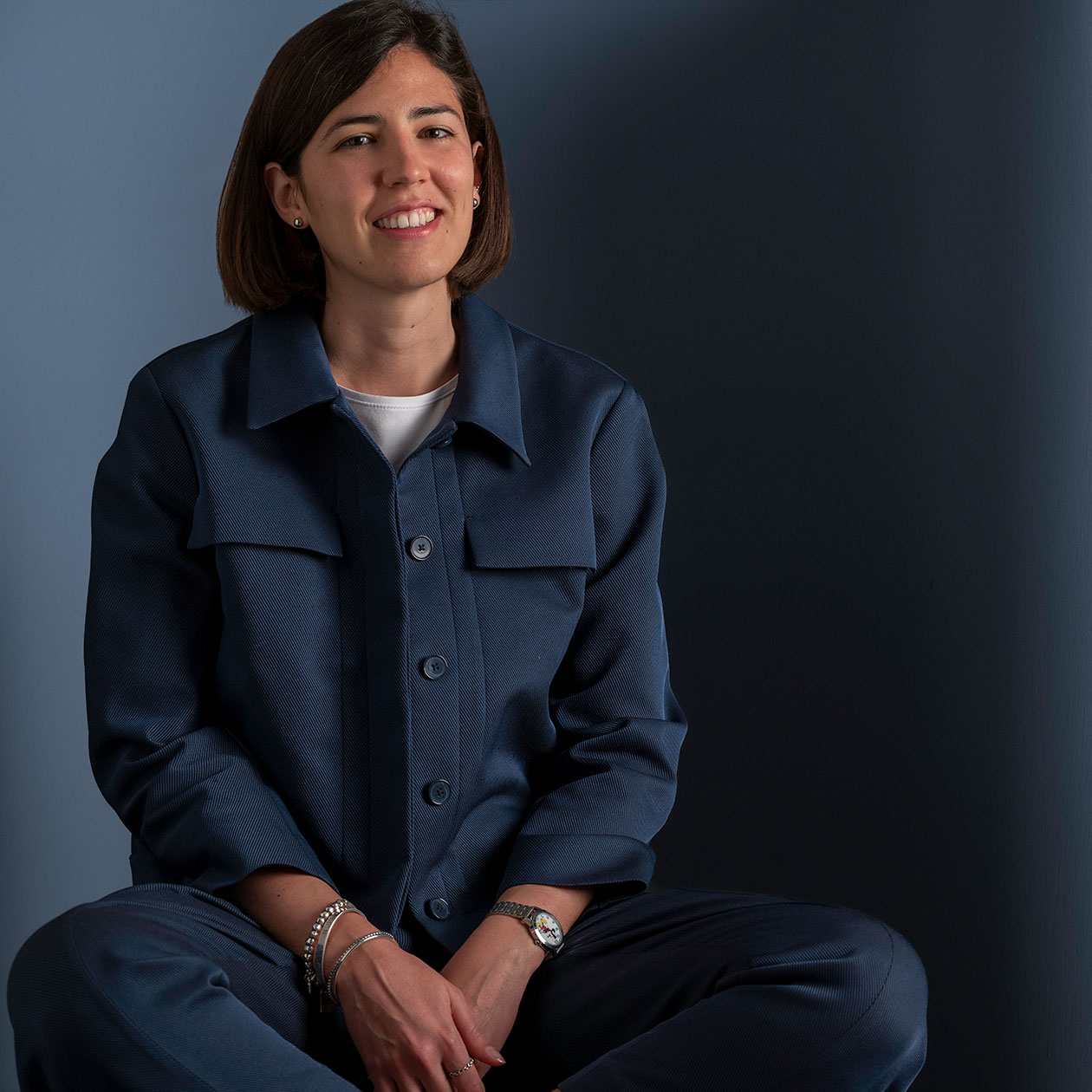
Victoria Azadinho Bocconi, a Brazilian industrial designer educated between Italy and Spain, belongs to a generation that understands design as a bridge between engineering and cultural sensitivity. With a background in industrial and applied design engineering, her work explores how objects can structure space without imposing themselves, integrating technical precision with a narrative where form communicates independently.

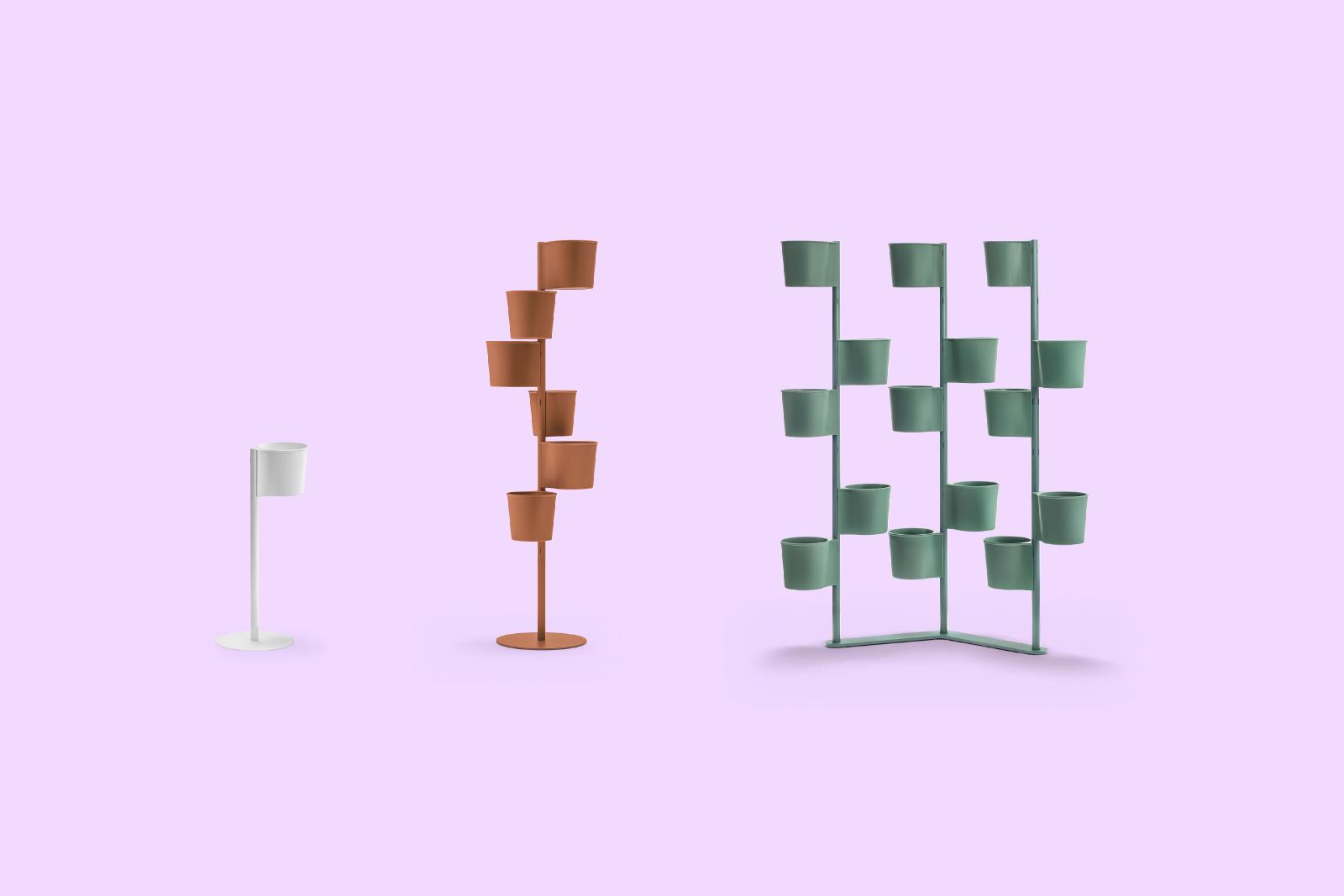
Her collaboration with Italian brand Pedrali, an international reference in contemporary furniture and high-quality industrial production, resulted in the Hevea series — a system that transforms the relationship between vegetation and interior space.
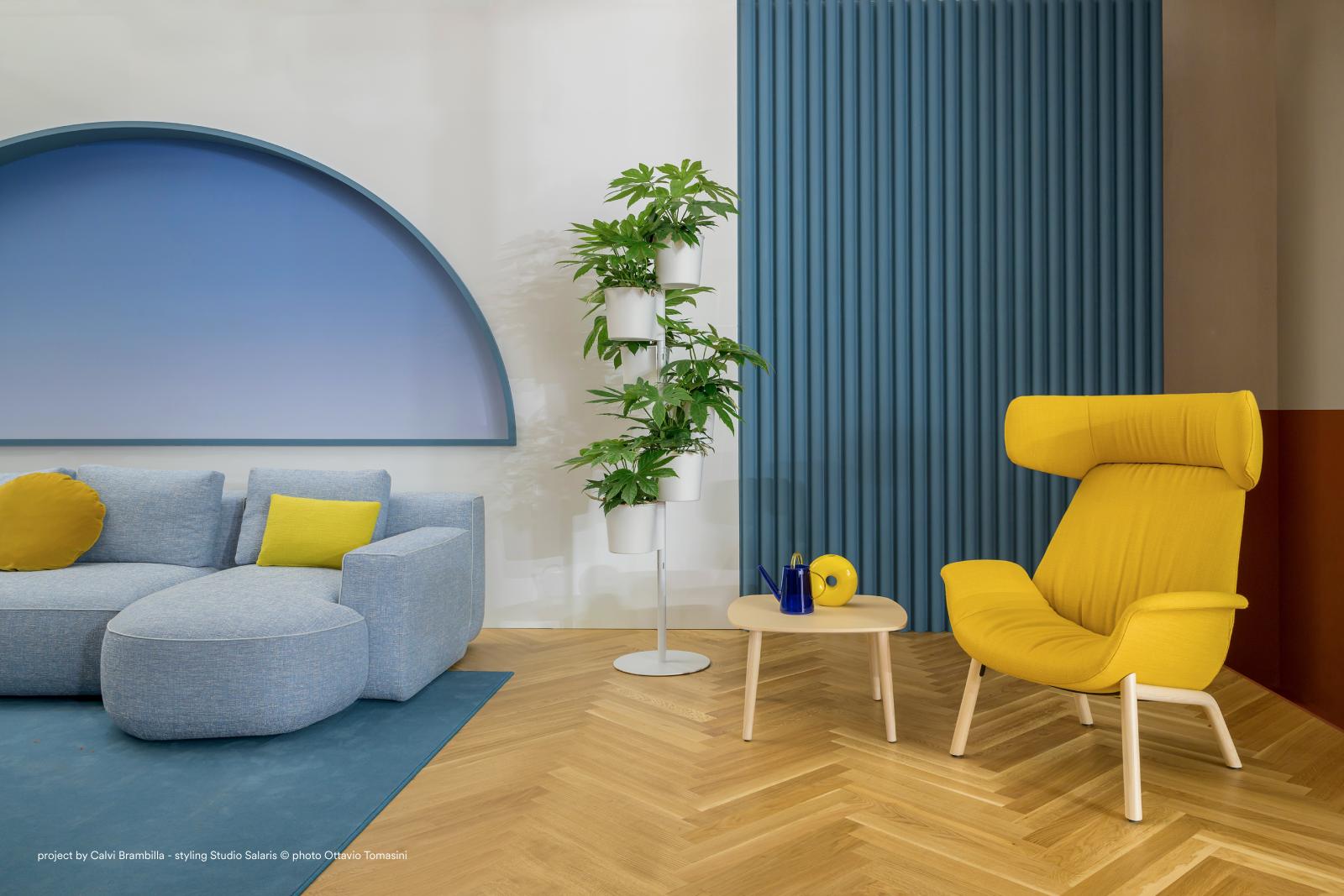
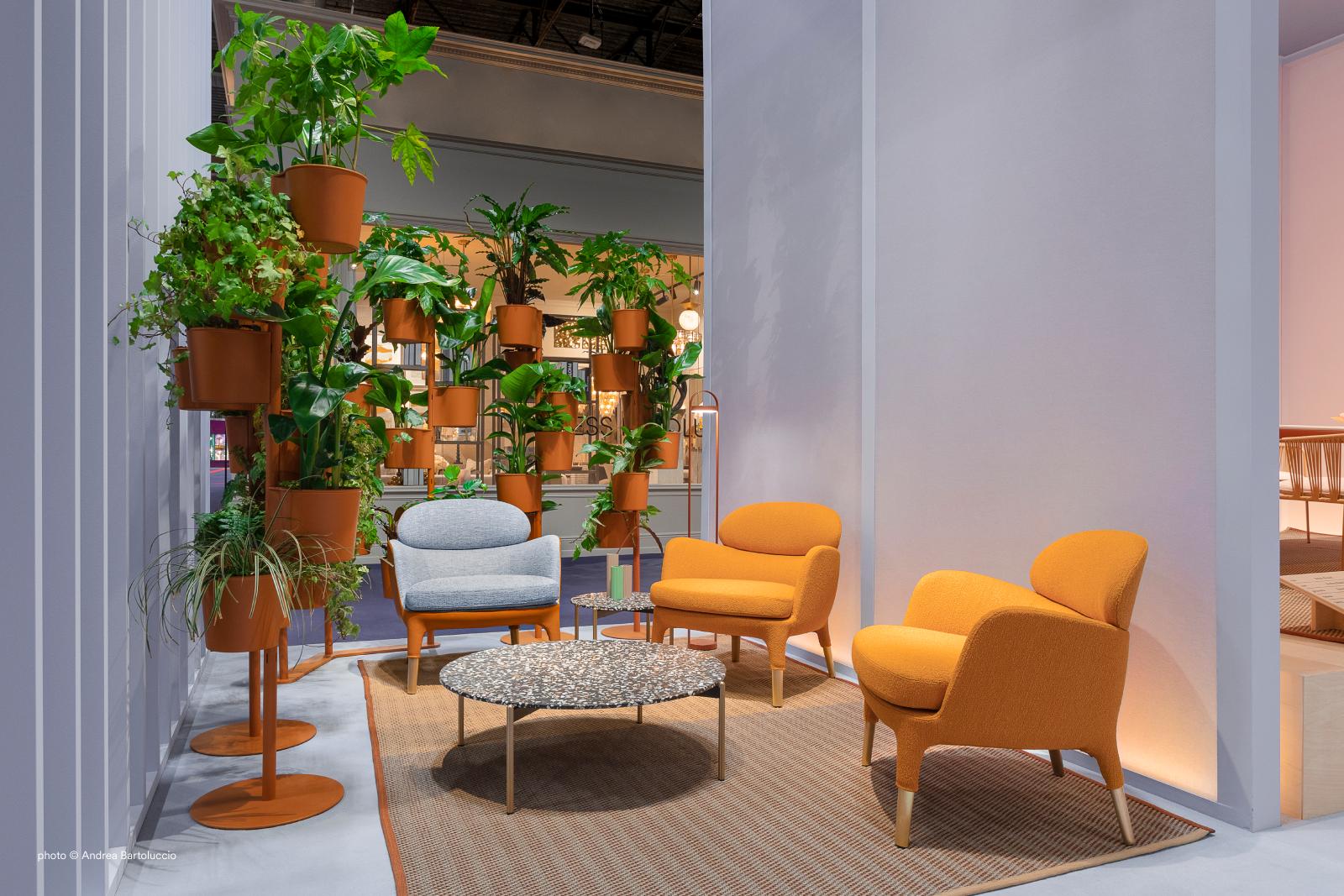
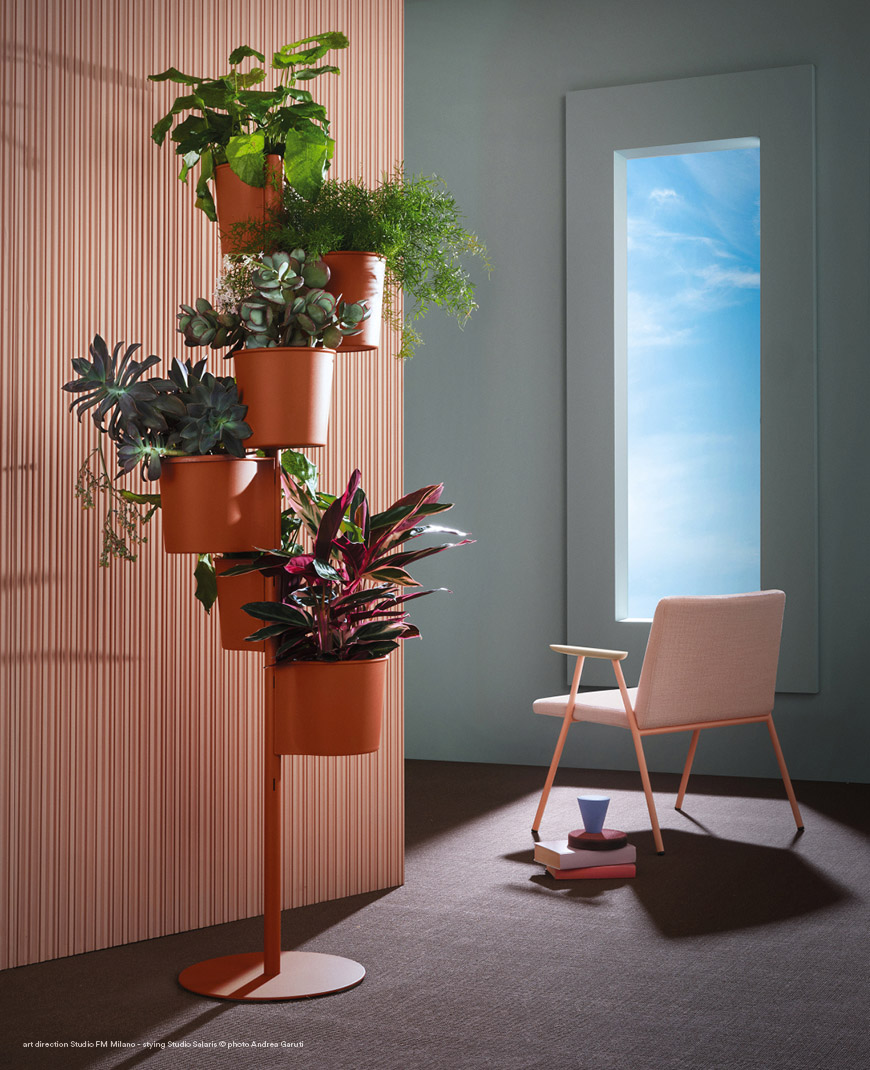
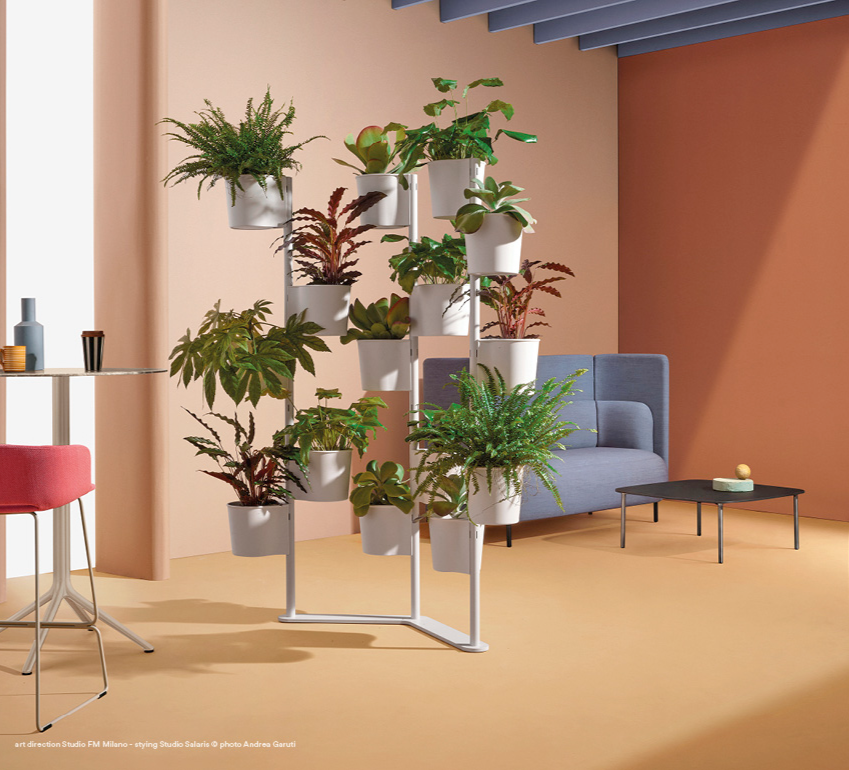
More than a collection of planters, Hevea proposes a modular structure capable of creating green partitions in offices and hospitality environments, adapting to different scales and uses without compromising its constructive logic.
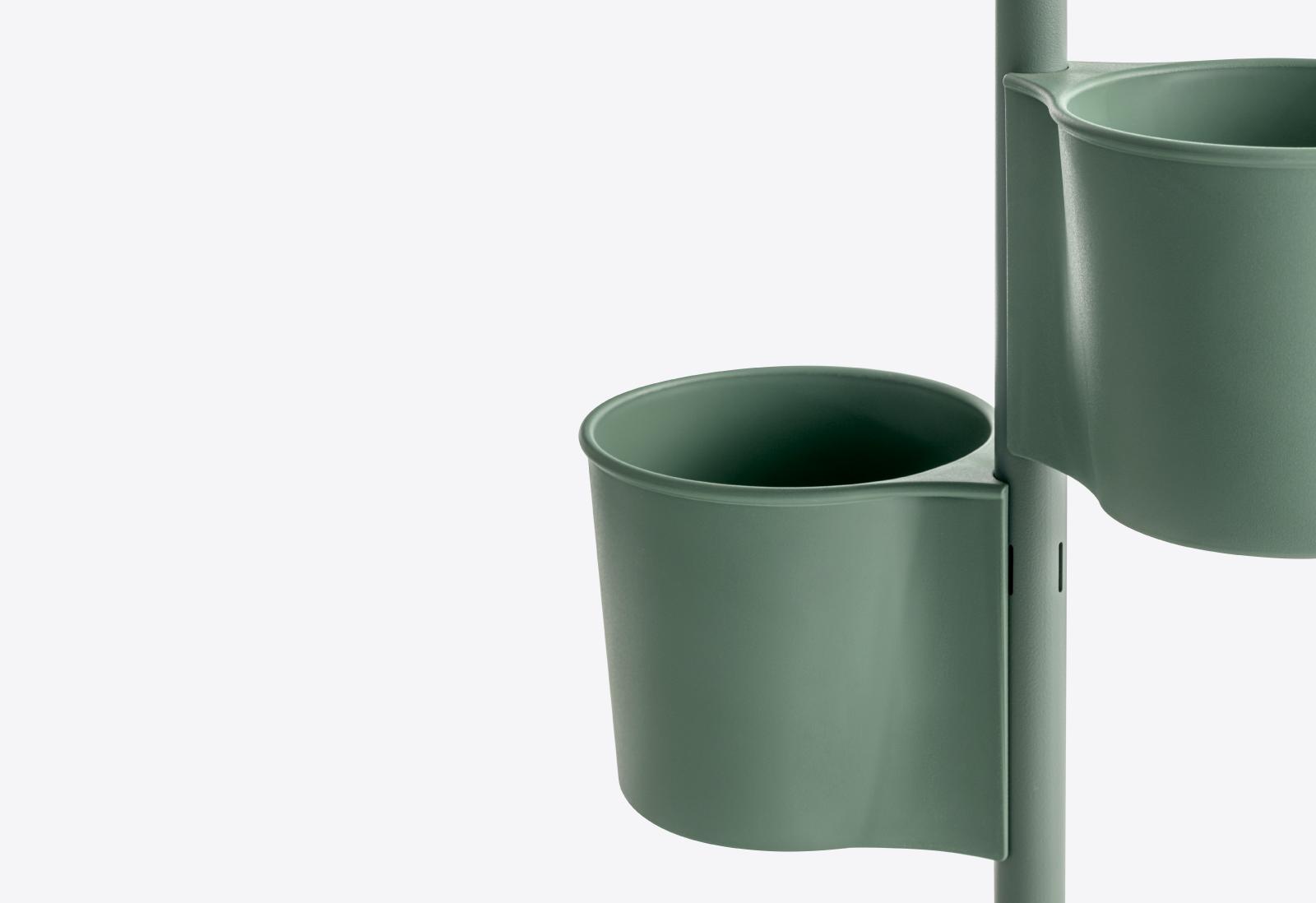
The value of Hevea lies not only in its clean and adaptable aesthetic, but in its technical intelligence. Its components are mechanically assembled, facilitating maintenance, disassembly, and proper material disposal at the end of their lifecycle. This decision turns the piece into an exercise in conscious design, where sustainability, flexibility, and system thinking are embedded from the outset.

At a time when global interior design seeks to integrate nature without falling into ornamentation, Bocconi’s work demonstrates how vegetation can become a structural element. Through leading European houses, her proposal reaffirms how female innovation continues to redefine materiality within contemporary interiors.

Federica Biasi: The Architecture of Spatial Lightness
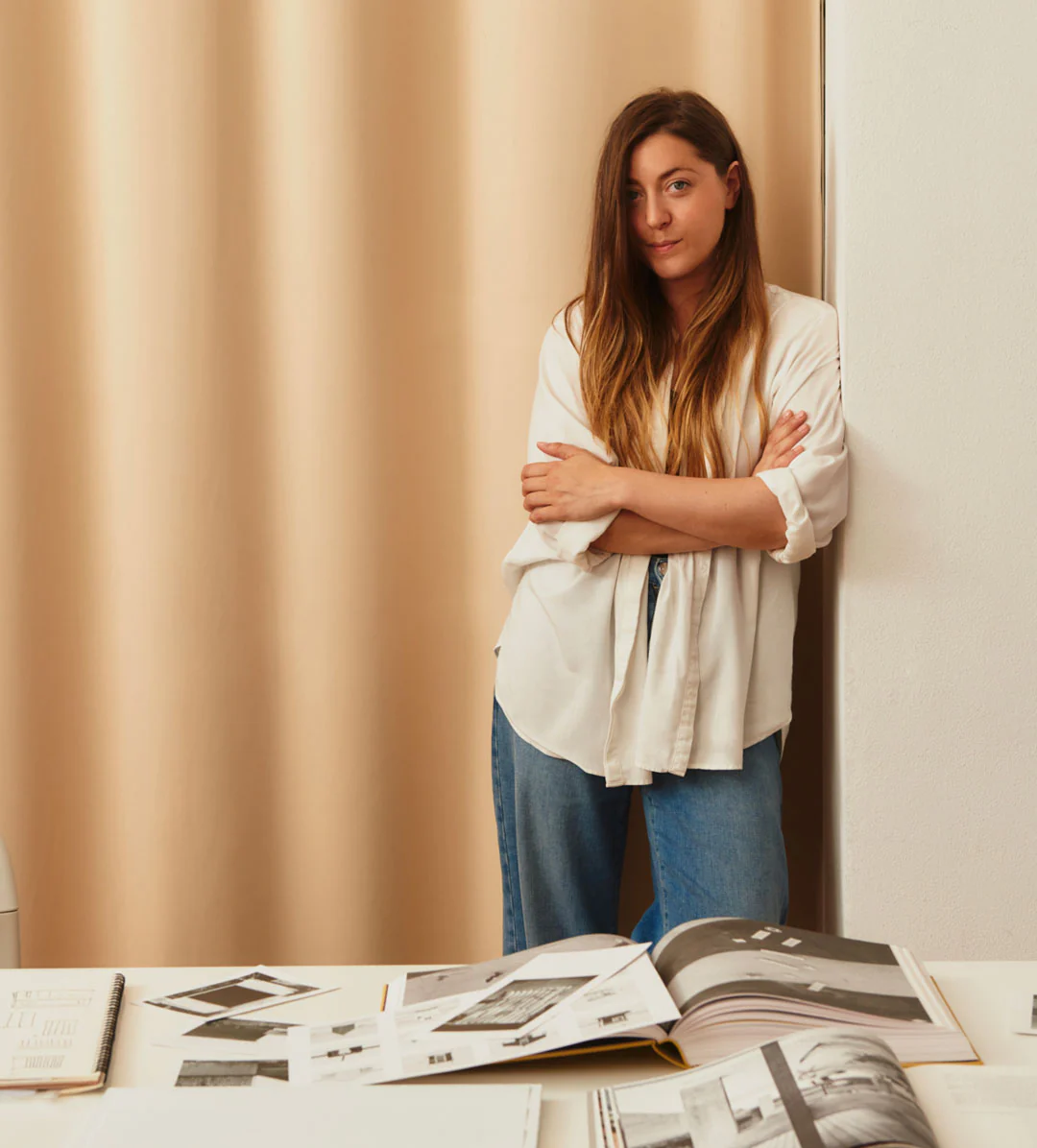
Federica Biasi has established herself as one of the most defined voices in contemporary Italian design. Educated in Italy and shaped by her professional experience in the Netherlands, her language merges Nordic rationality with European tradition. Since founding her studio in Milan in 2015, she has developed a practice where formal clarity and structural coherence prevail over unnecessary gesture. Her work does not seek attention; it sustains space.
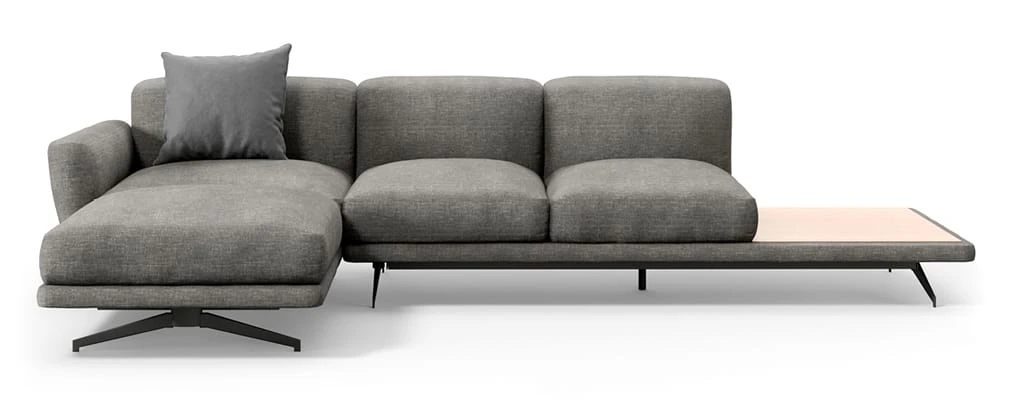
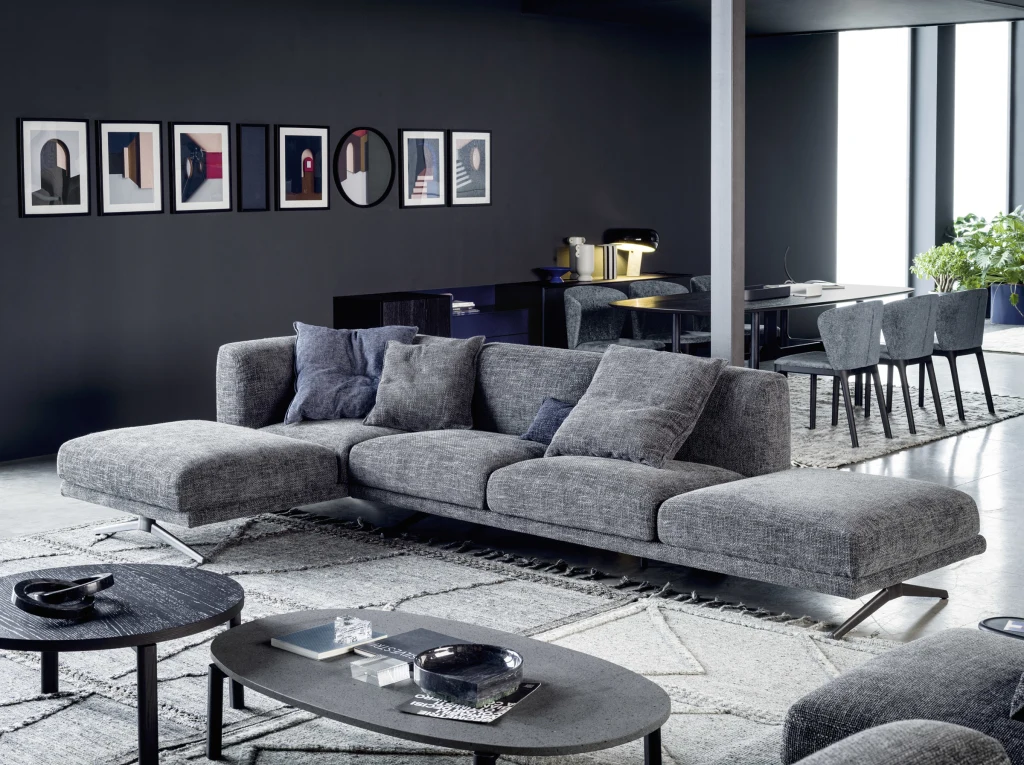
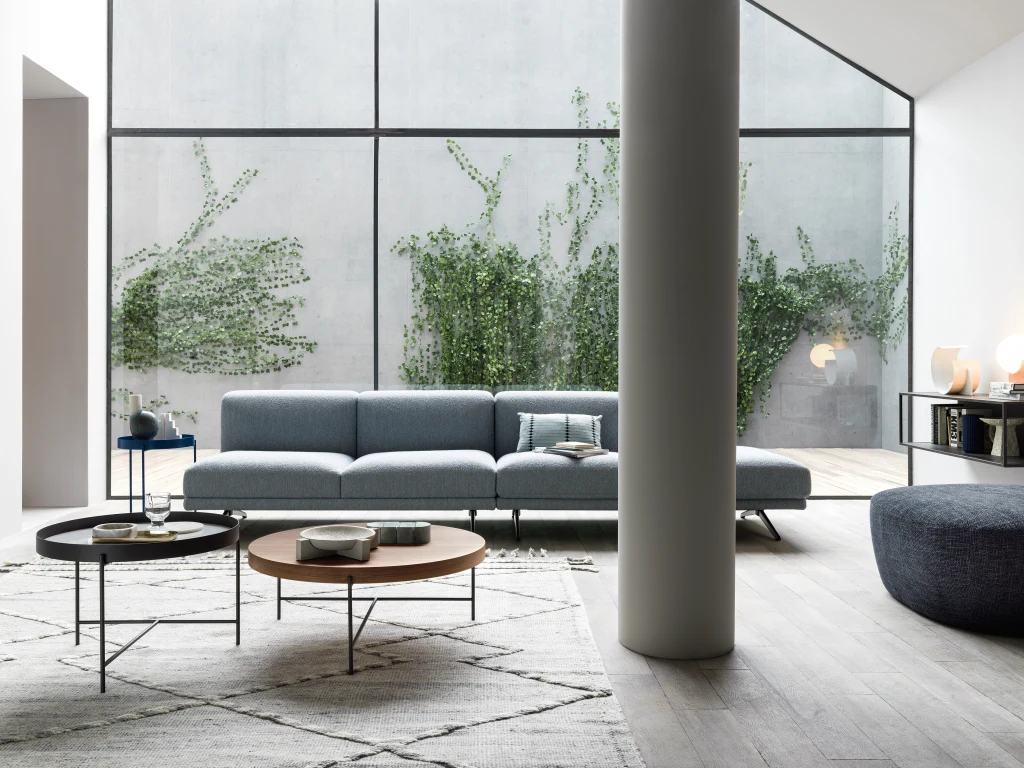
Her collaboration with Novamobili, an Italian brand specialized in modular systems, finds a natural alignment. The company has built its identity around structural flexibility and technical precision — qualities that resonate directly with Biasi’s vision. The Noah Sofa, one of her first proposals for the brand, embodies this approach. Conceived as a modular system, it allows linear or L-shaped configurations through combinable sections with or without backrests. More than an adaptable sofa, it proposes a way of organizing space through horizontality.
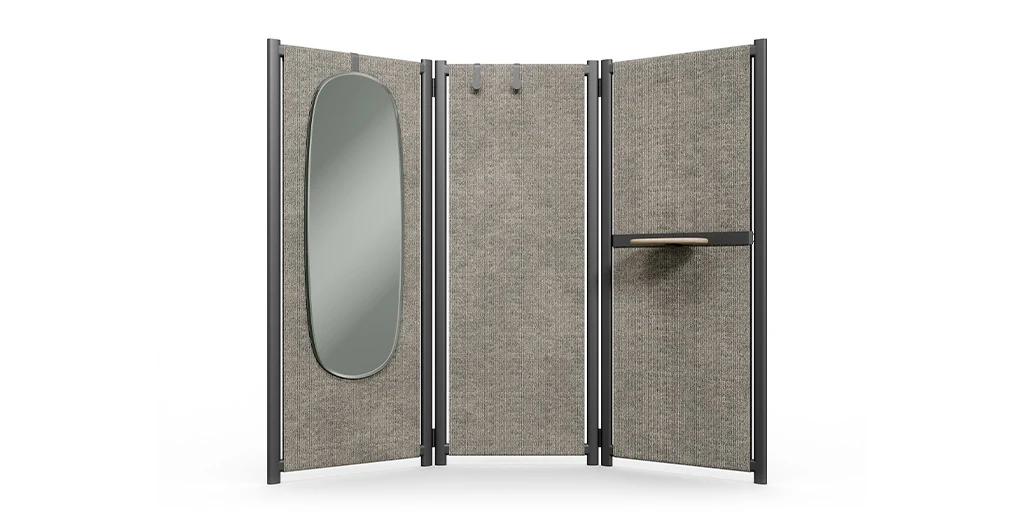
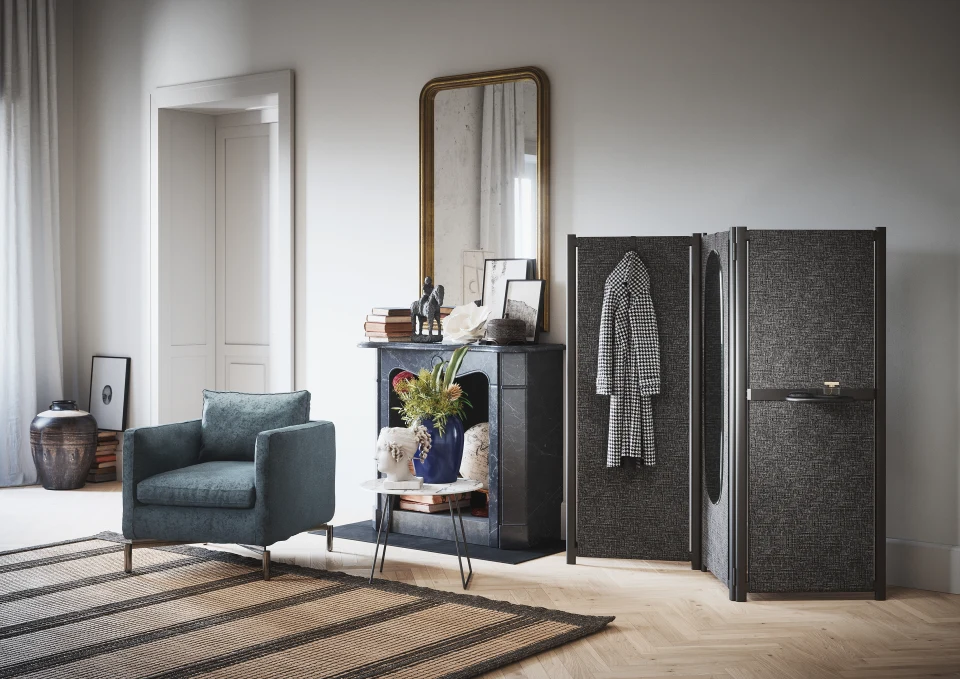
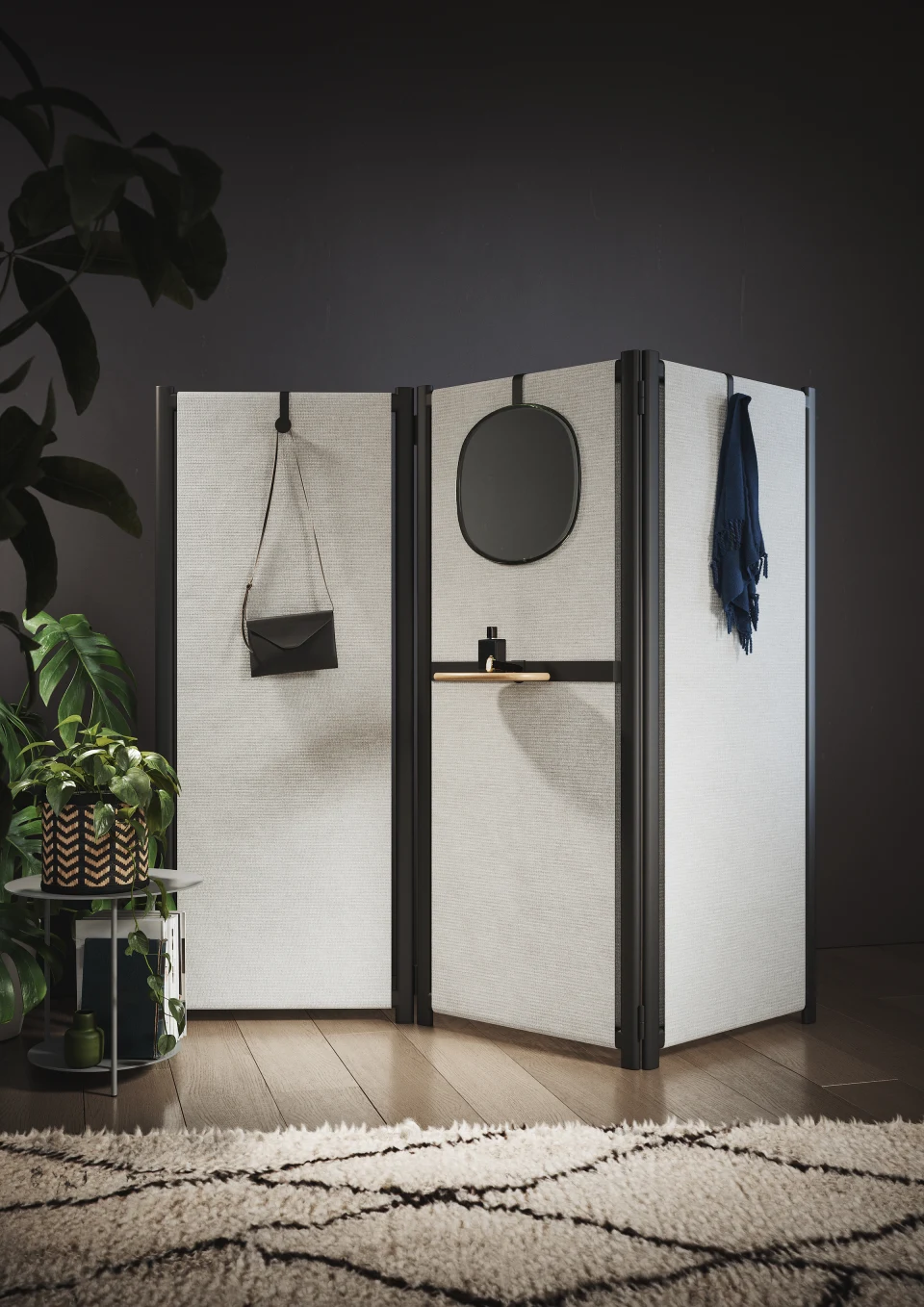
This same reinterpretative logic extends to the Shy screen, which updates the classic room divider through a refined metal structure. Its ability to incorporate accessories such as mirrors, trays, or hooks expands its function beyond simple separation.
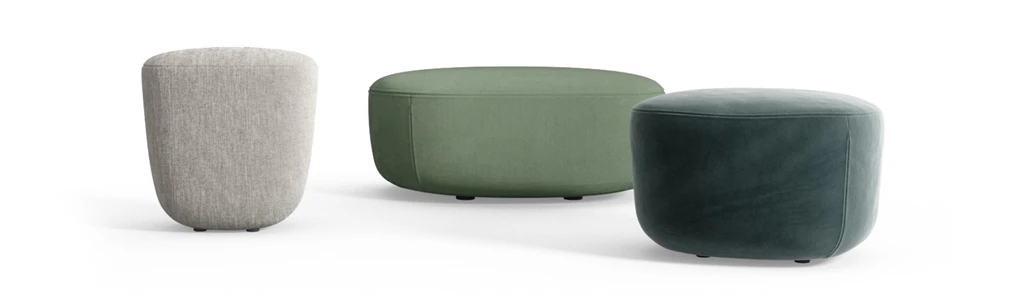
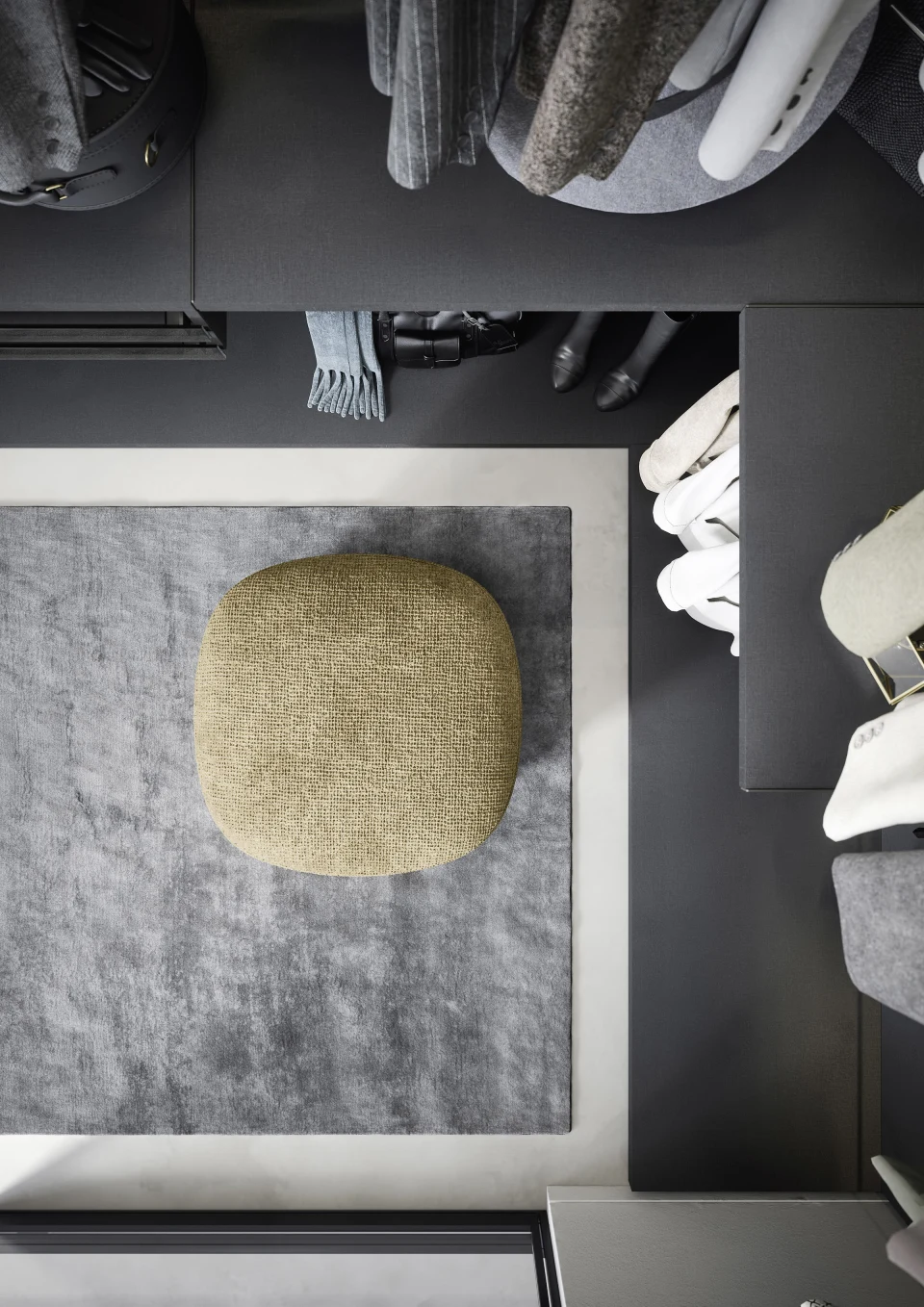
With the Loto ottoman, Biasi translates this clarity to a more intimate scale. Its gently conical silhouette introduces contained dynamism, making it a versatile auxiliary piece that dialogues with various contexts without imposing itself. Apparent simplicity conceals rigorous attention to proportion and balance.
Together, these pieces reveal a constant in Biasi’s work: the ability to intervene in industry through subtlety. This balance between structural firmness and sensitivity confirms how female leadership continues to shape contemporary interior design with a distinct voice.

Nathalie Du Pasquier: Surface as a Manifesto of Identity
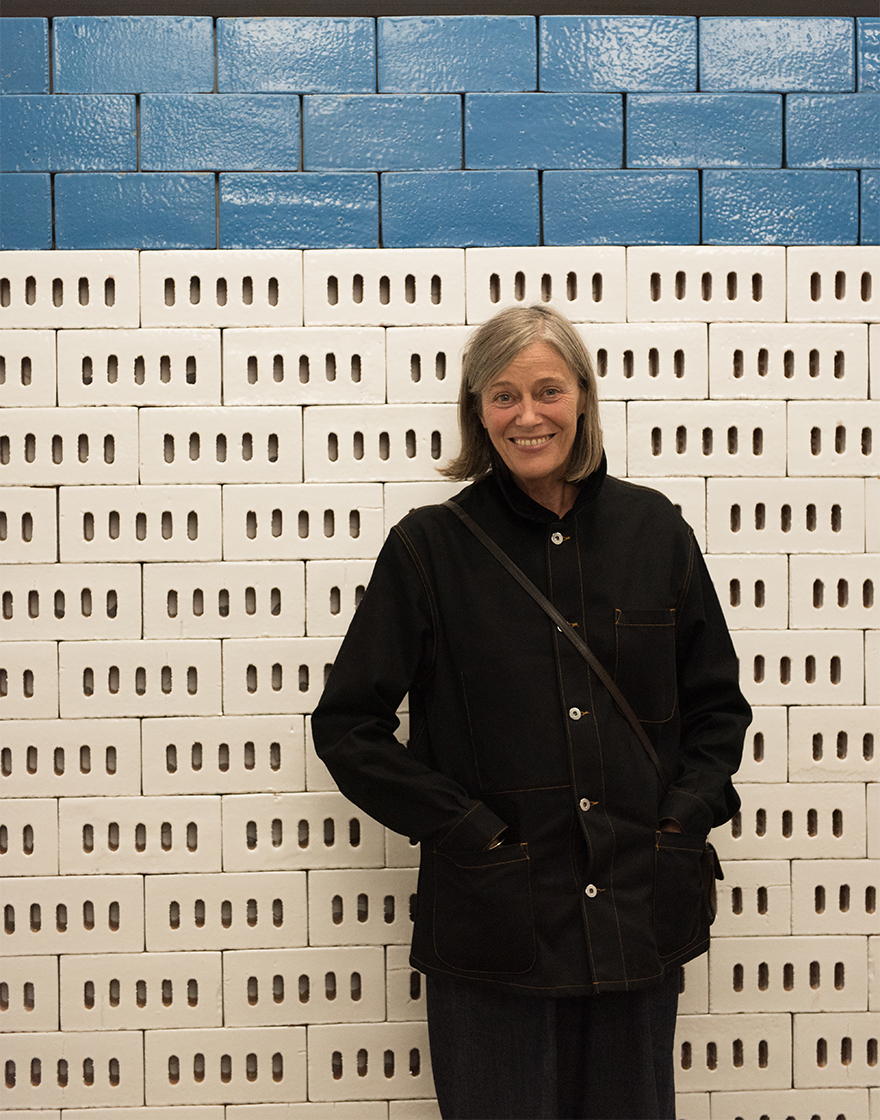
In the 1980s, when design sought to break from modern neutrality, Nathalie Du Pasquier became one of the voices that altered the visual language of a generation. As a founding member of Memphis, she introduced color, geometry, and graphic composition as structural tools. Based in Milan since 1979, her trajectory has oscillated between design and painting, consolidating a perspective where form always tells a story.
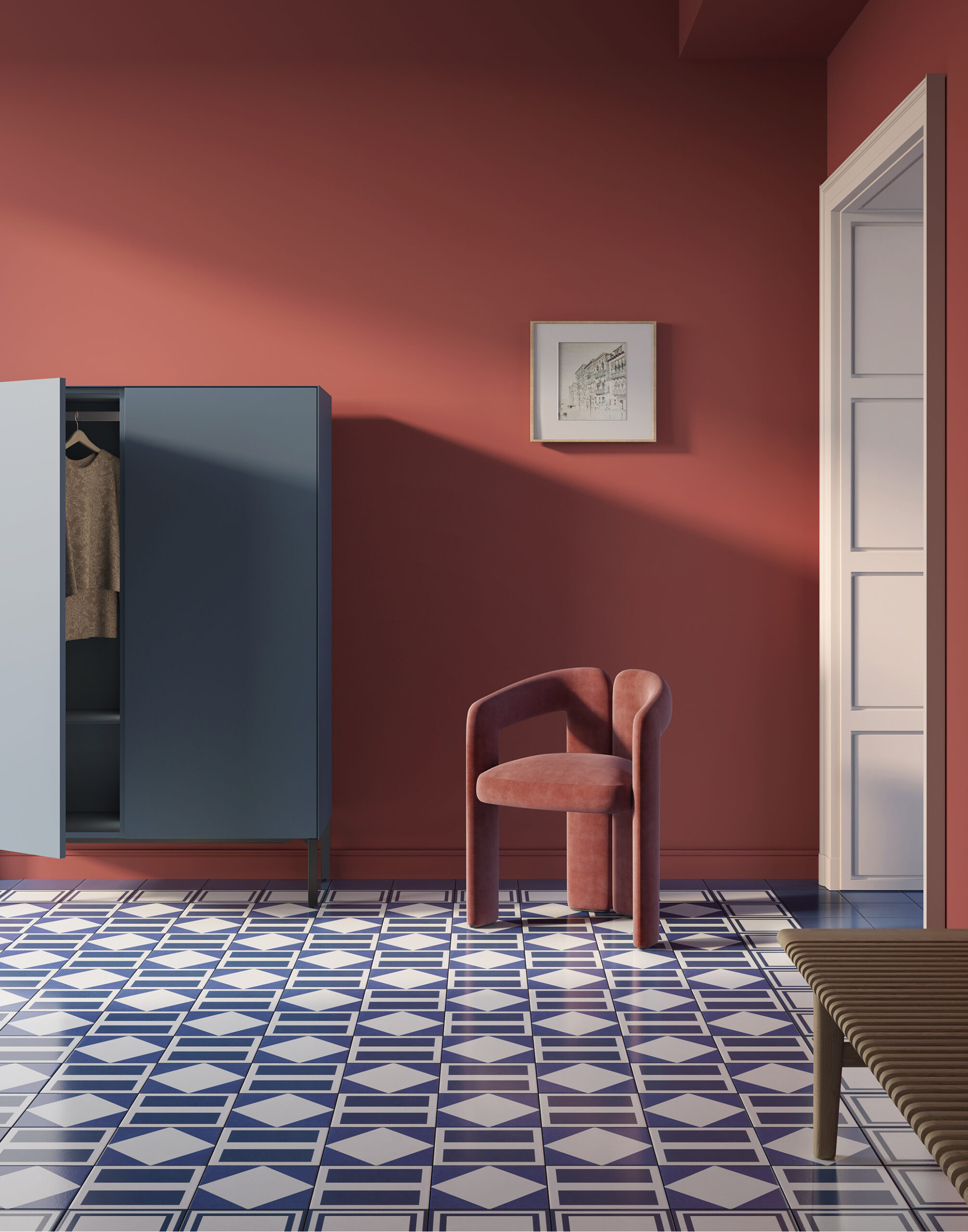
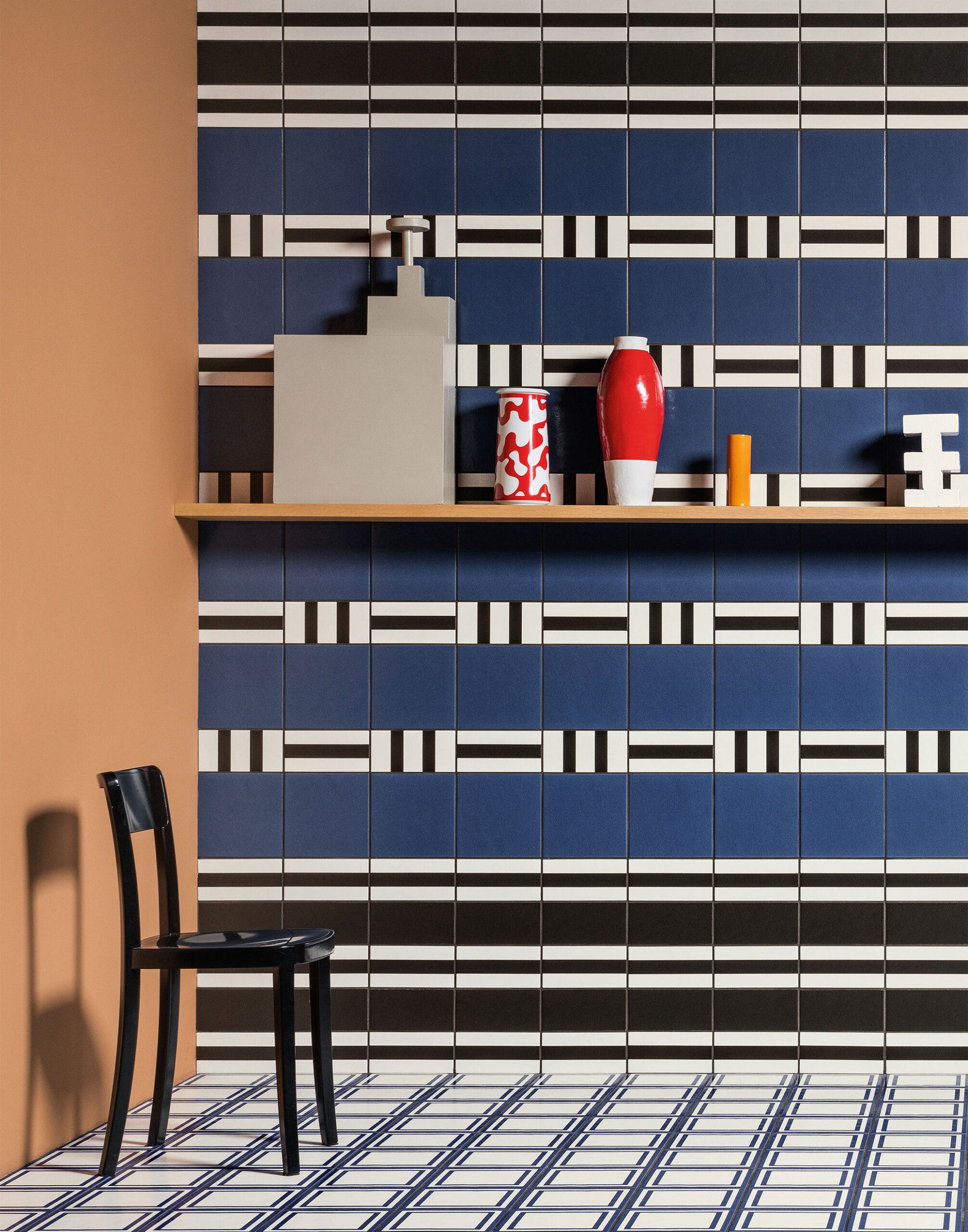
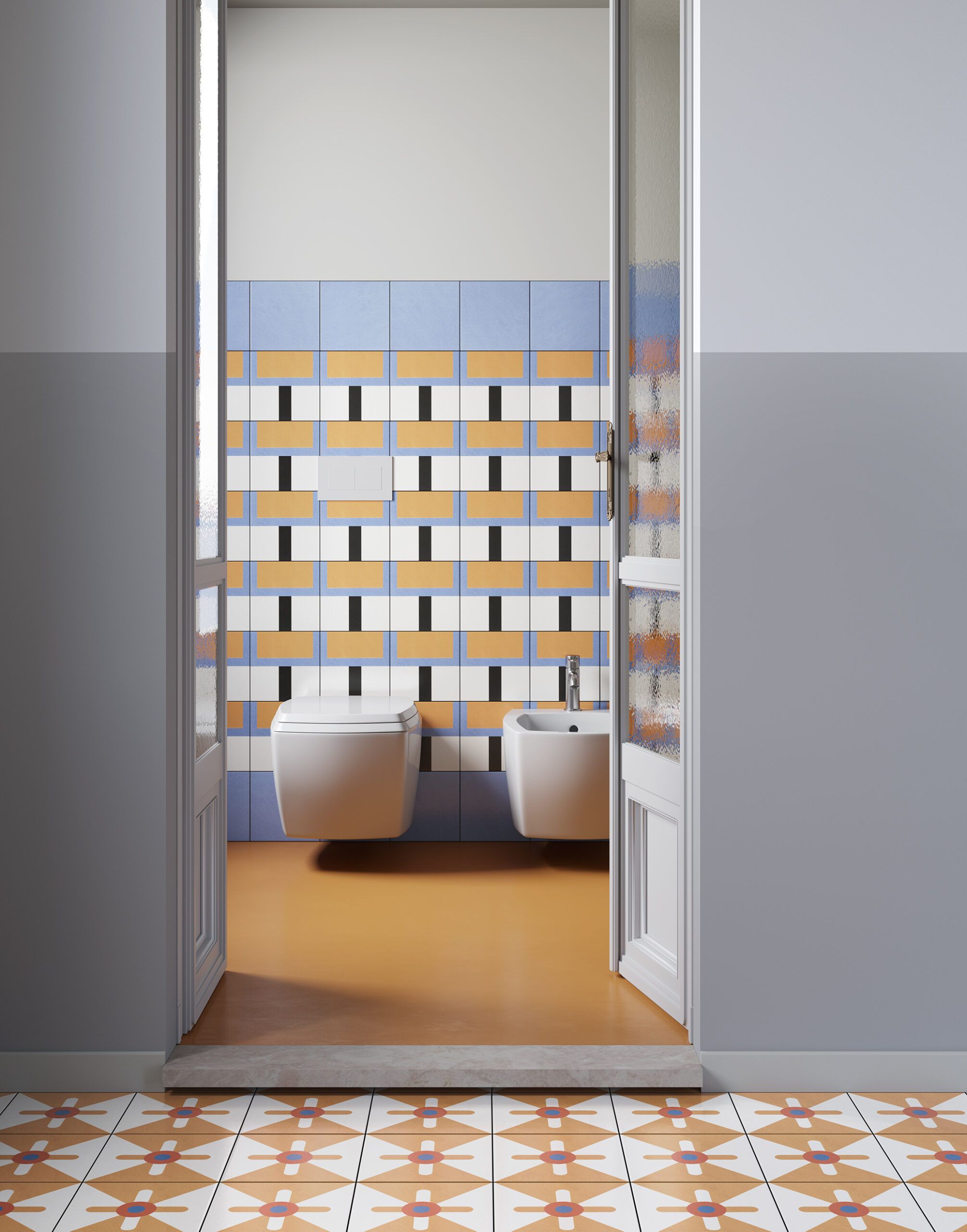
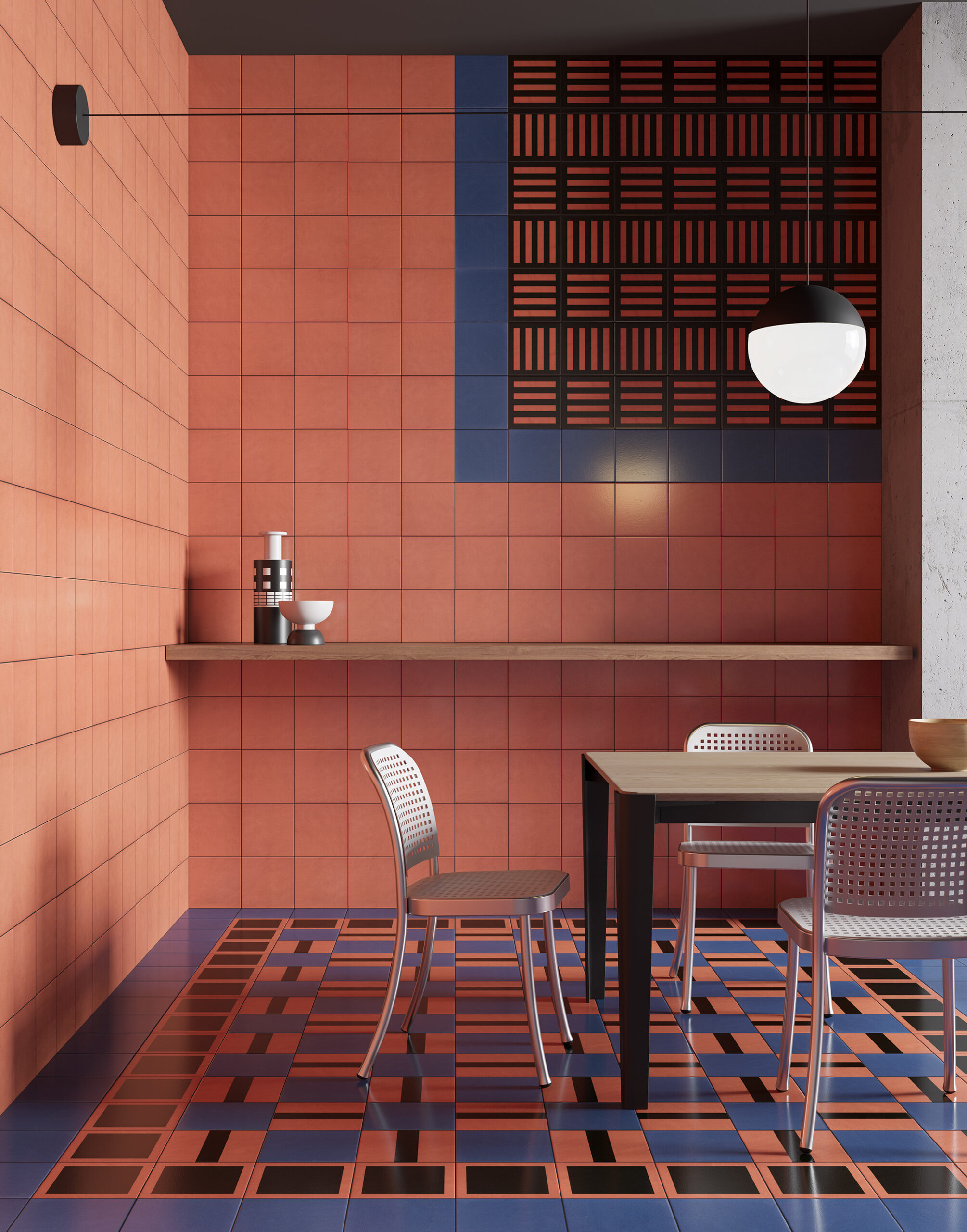
Her collaboration with Mutina in 2019 marked her return to industrial design through ceramic surfaces. The Italian company, known for its experimental approach to material, became the platform where her artistic language found architectural translation.
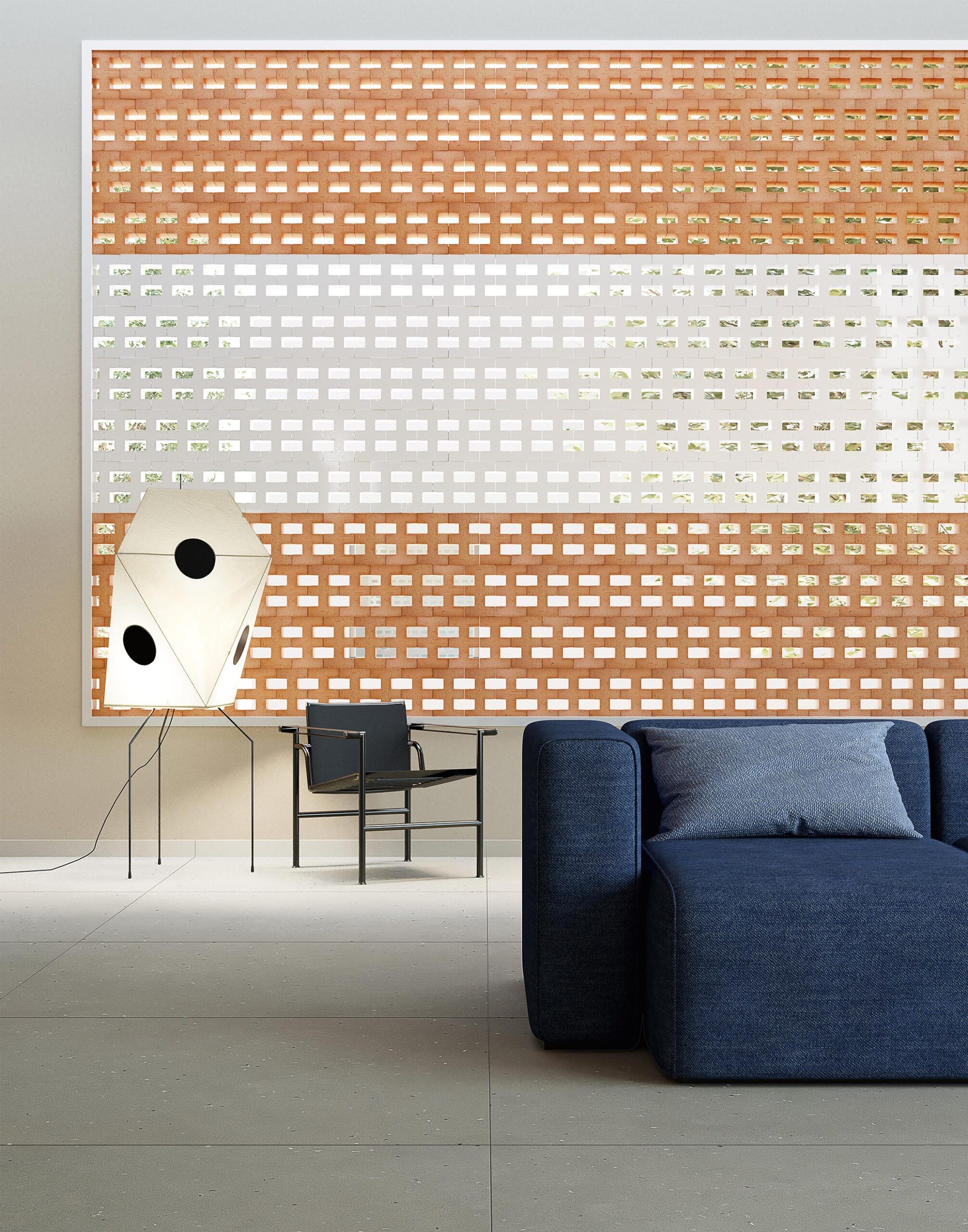
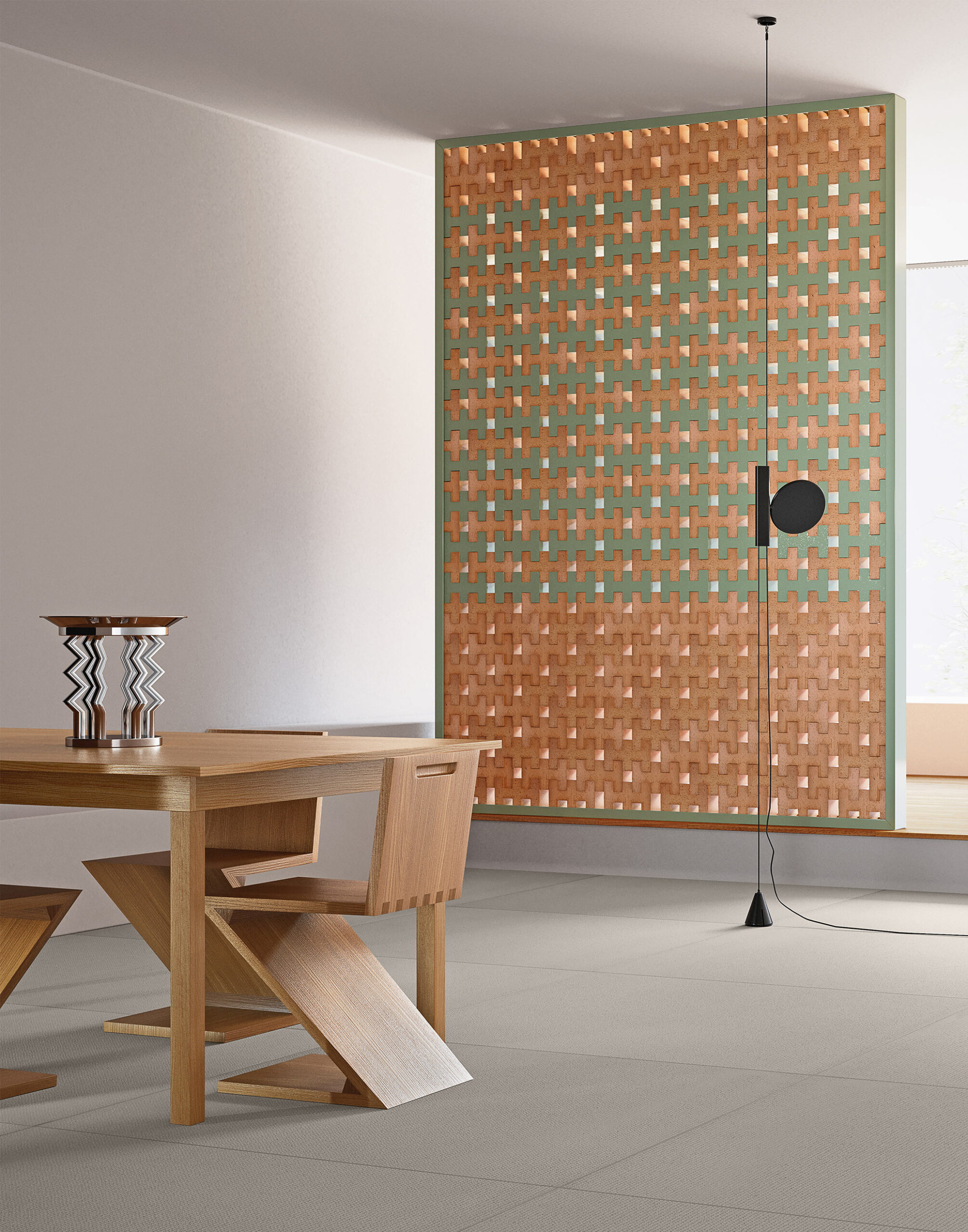
The Brac collection materializes this transition. Designed as a three-dimensional extruded terracotta element, it functions as a sculptural brick capable of generating permeable structures and walls with depth. The interaction between light and shadow activates the surface, transforming walls into spatial compositions.
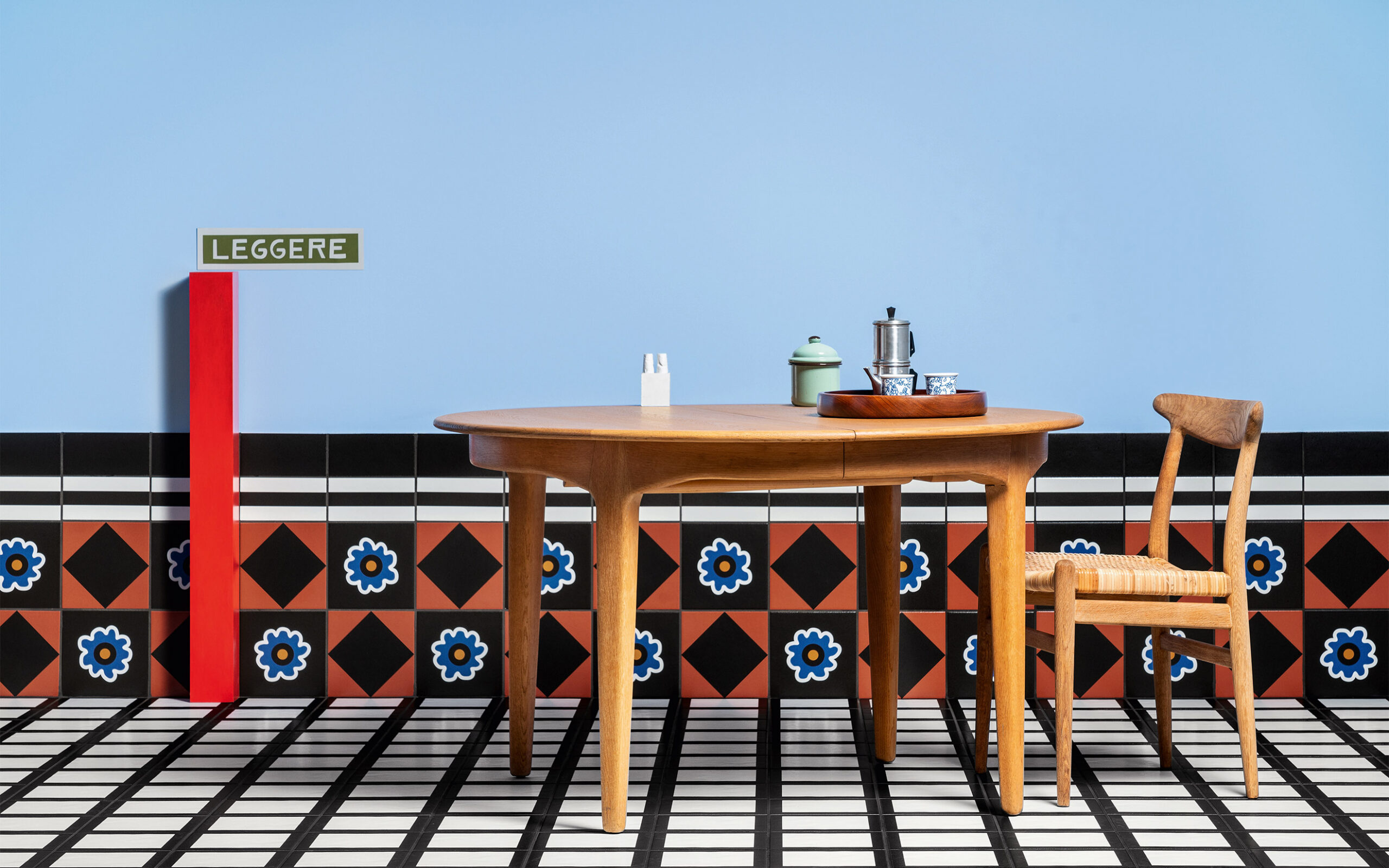
In Mattonelle Margherita, color takes center stage. Through glazed porcelain stoneware, the collection combines restrained form with vibrant tonal exploration. The surface ceases to be neutral background and becomes an active visual presence within the interior.
In Du Pasquier’s work, cladding does not cover — it communicates. Her contribution demonstrates that material can become a vehicle of identity, and that interior design, when it dialogues with art, acquires a cultural dimension beyond function.

Cristina Celestino: Rigor Transformed into Character
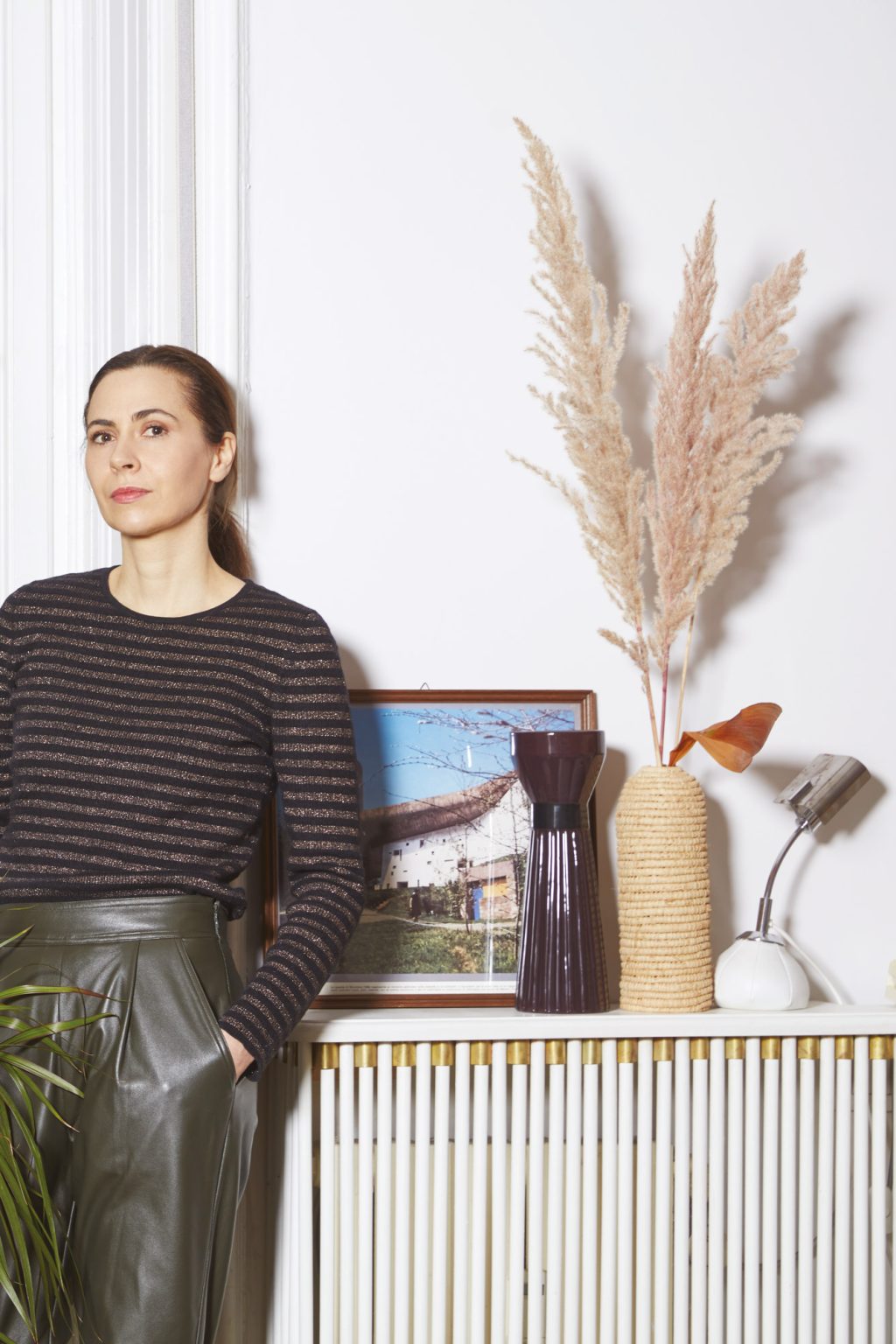
Some designers soften space. Cristina Celestino structures it with intention. Educated at the IUAV University of Venice and based in Milan since 2013, her work moves between historical research and material experimentation. She observes tradition, fragments it, and recomposes it with almost scenographic precision. Her perspective is erudite yet never rigid; playful yet controlled.
Her collaboration with Kristalia, an Italian brand known for its refined contemporary language, reveals this duality. The company’s identity is rooted in formal clarity and material innovation — an ideal terrain for a designer who understands the object as presence rather than mere function.
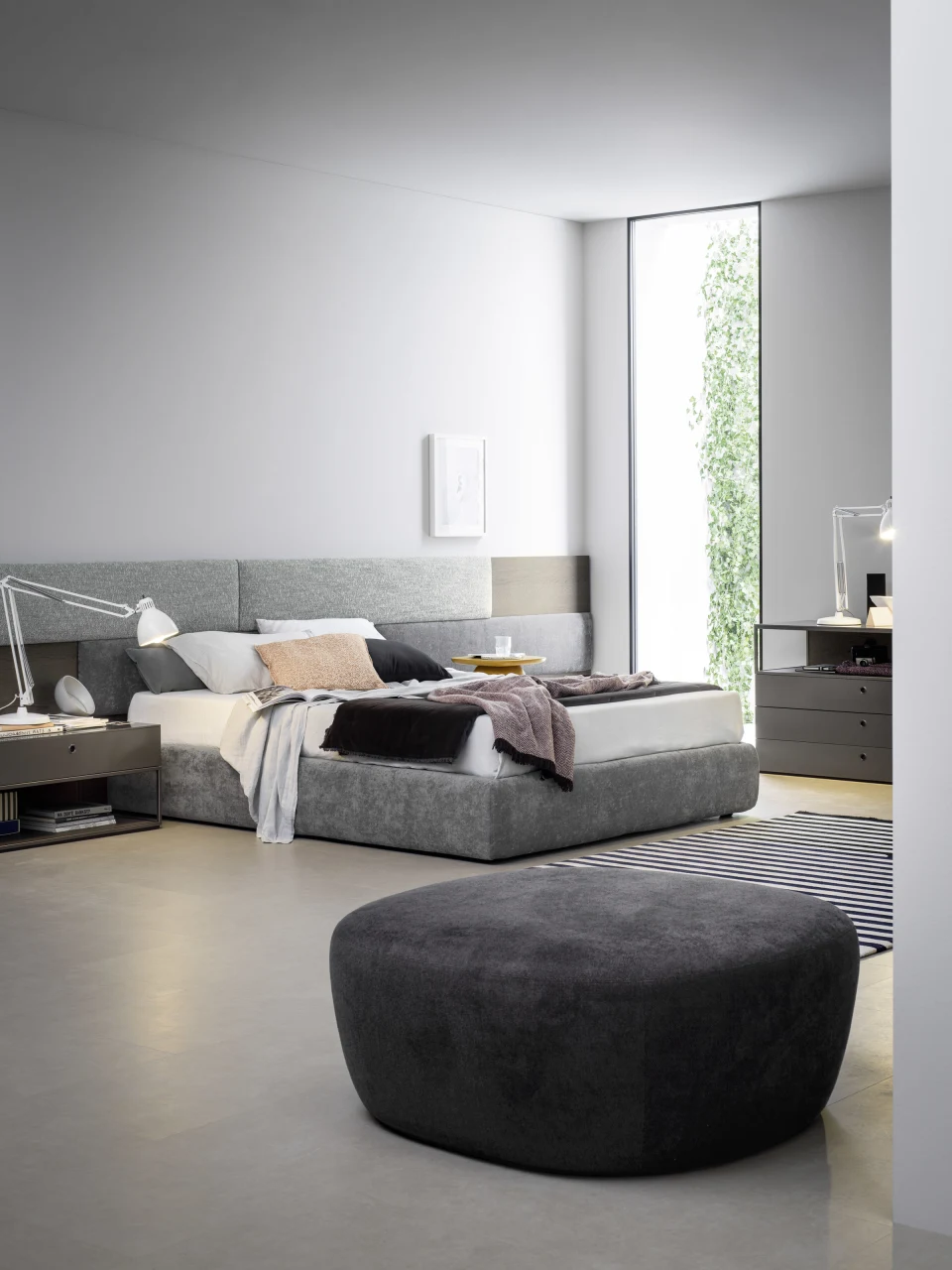
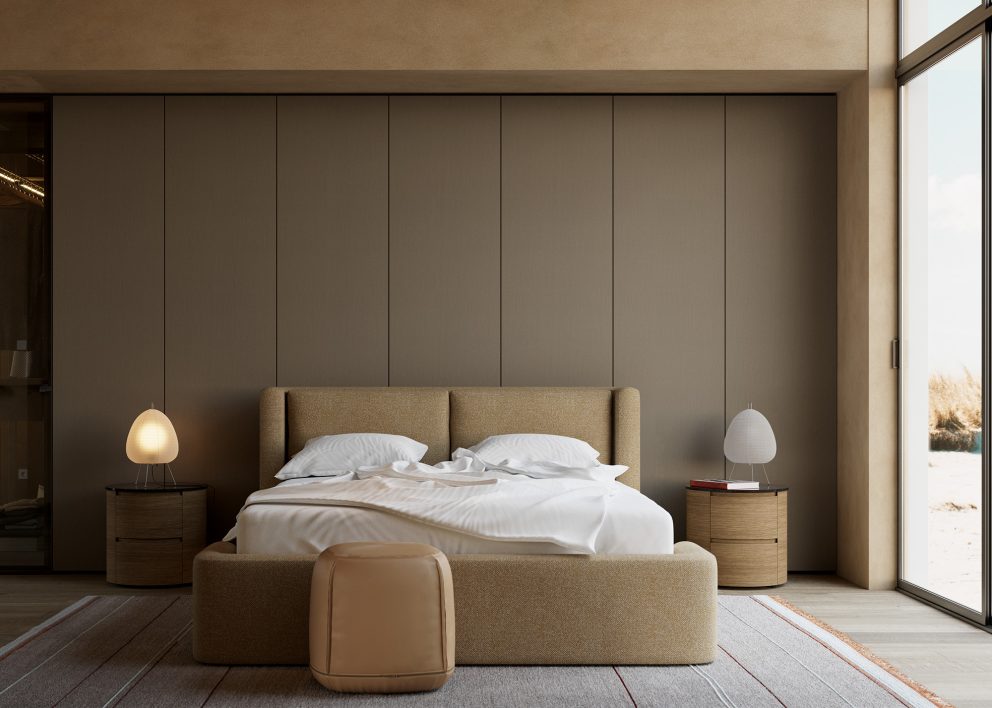
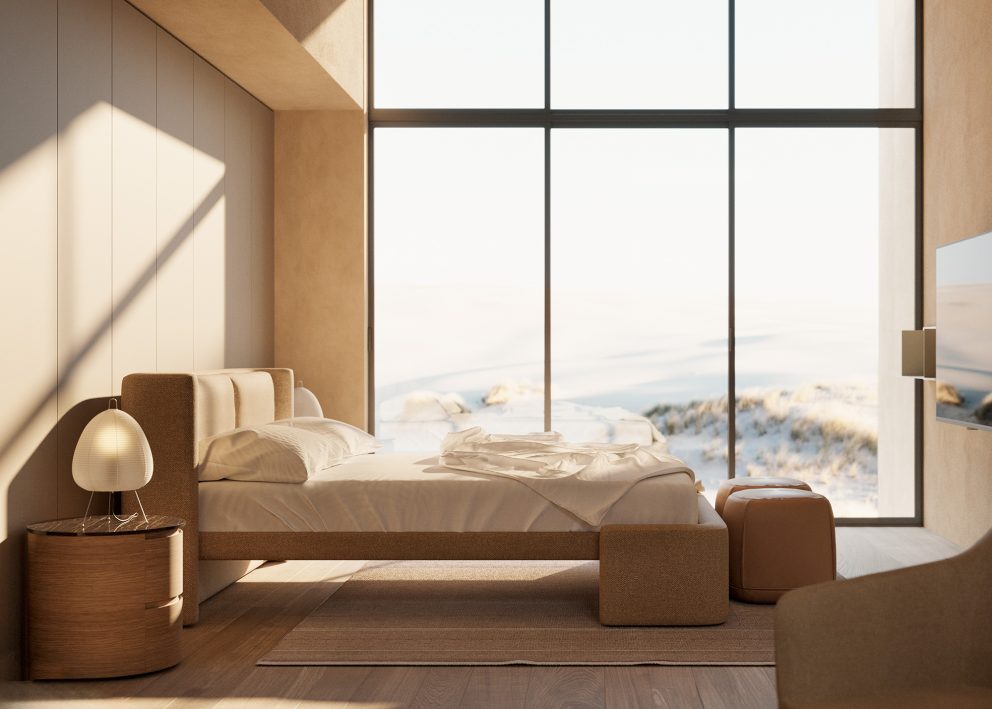
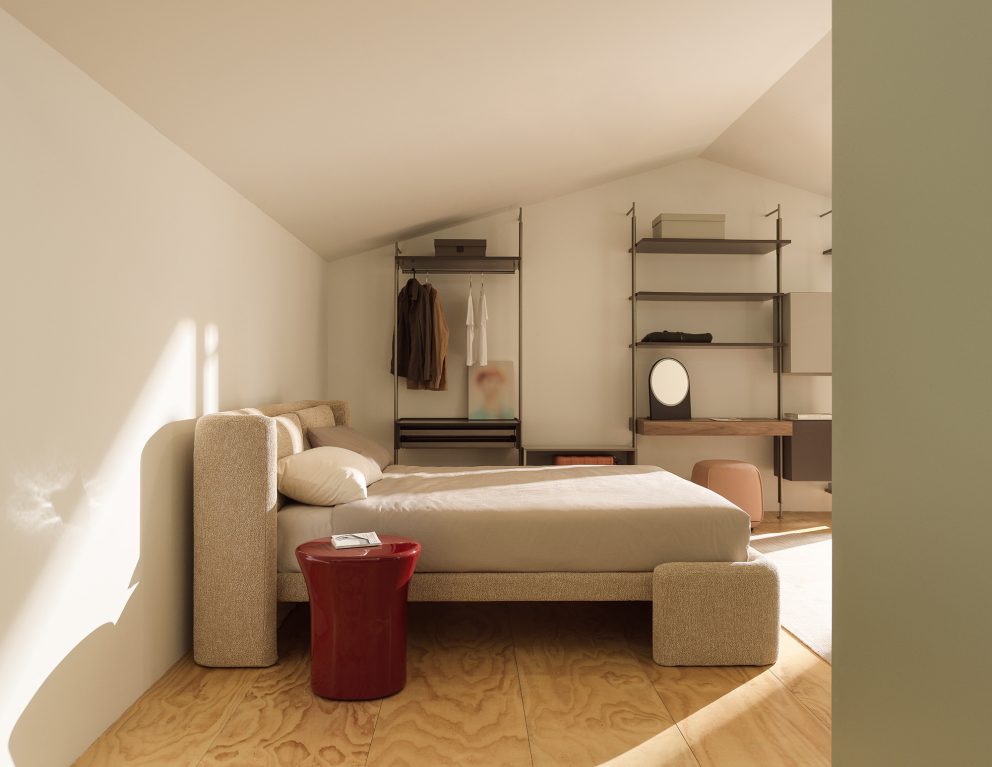
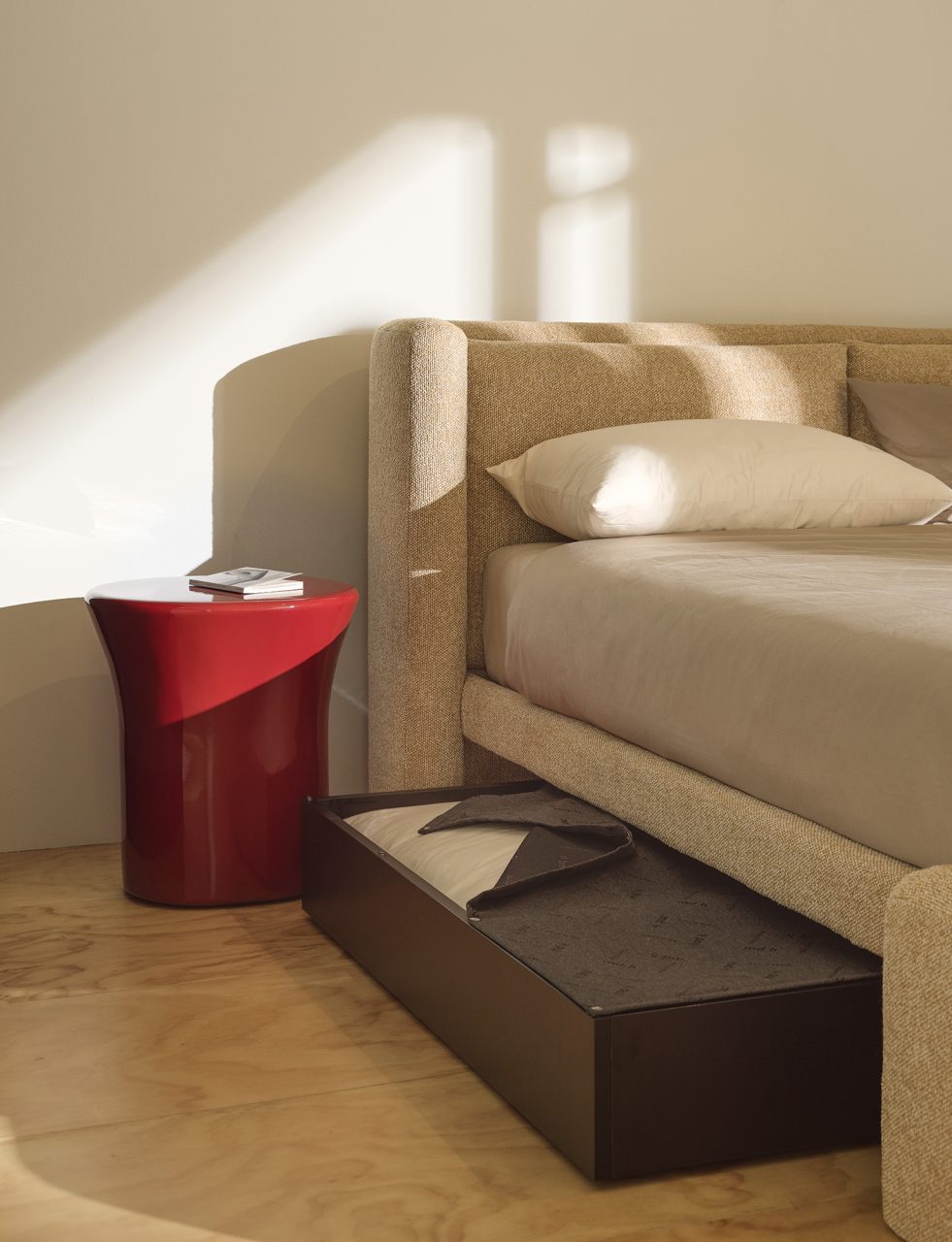
The Dimora bed embodies this vision. Two enveloping structures “embrace” the mattress, generating a conical silhouette that introduces verticality and solemnity without losing intimacy. The piece plays with opposites: softness and firmness, containment and theatricality. Its volume transforms the bedroom into a space with defined character, where furniture does not accompany the environment — it defines it.
With Celestino, innovation in contemporary interiors emerges not from loud disruption, but from the capacity to reinterpret tradition through a distinct voice.

Nika Zupanc: Femininity as a Radical Statement

In a market historically dominated by technical logic and masculine sobriety, Nika Zupanc introduced emotion unapologetically. The Slovenian designer has built a career that openly questions the rational codes of contemporary furniture, exploring intuition, ornament, and symbolism as legitimate territories of design. Her work does not soften space — it provokes it.
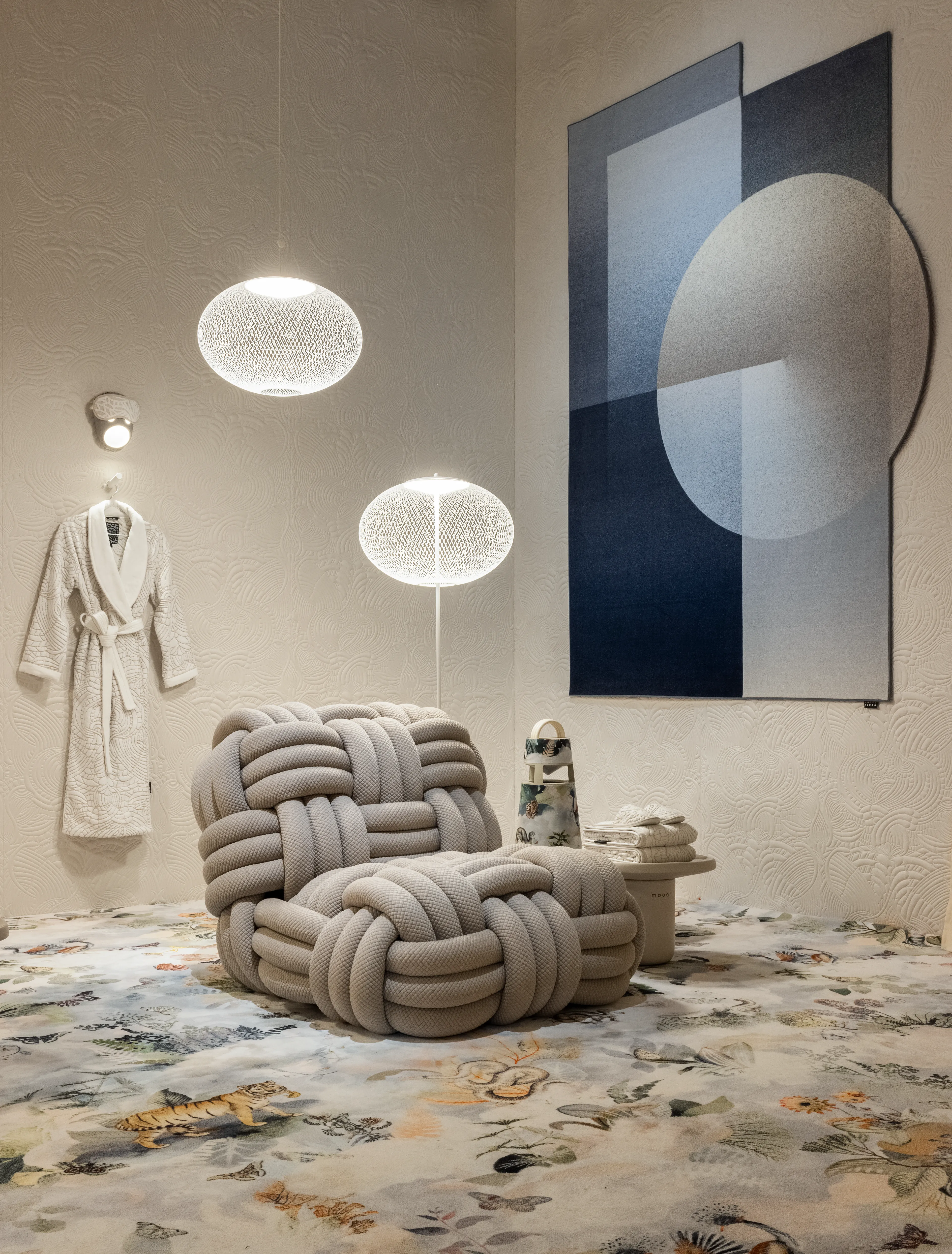
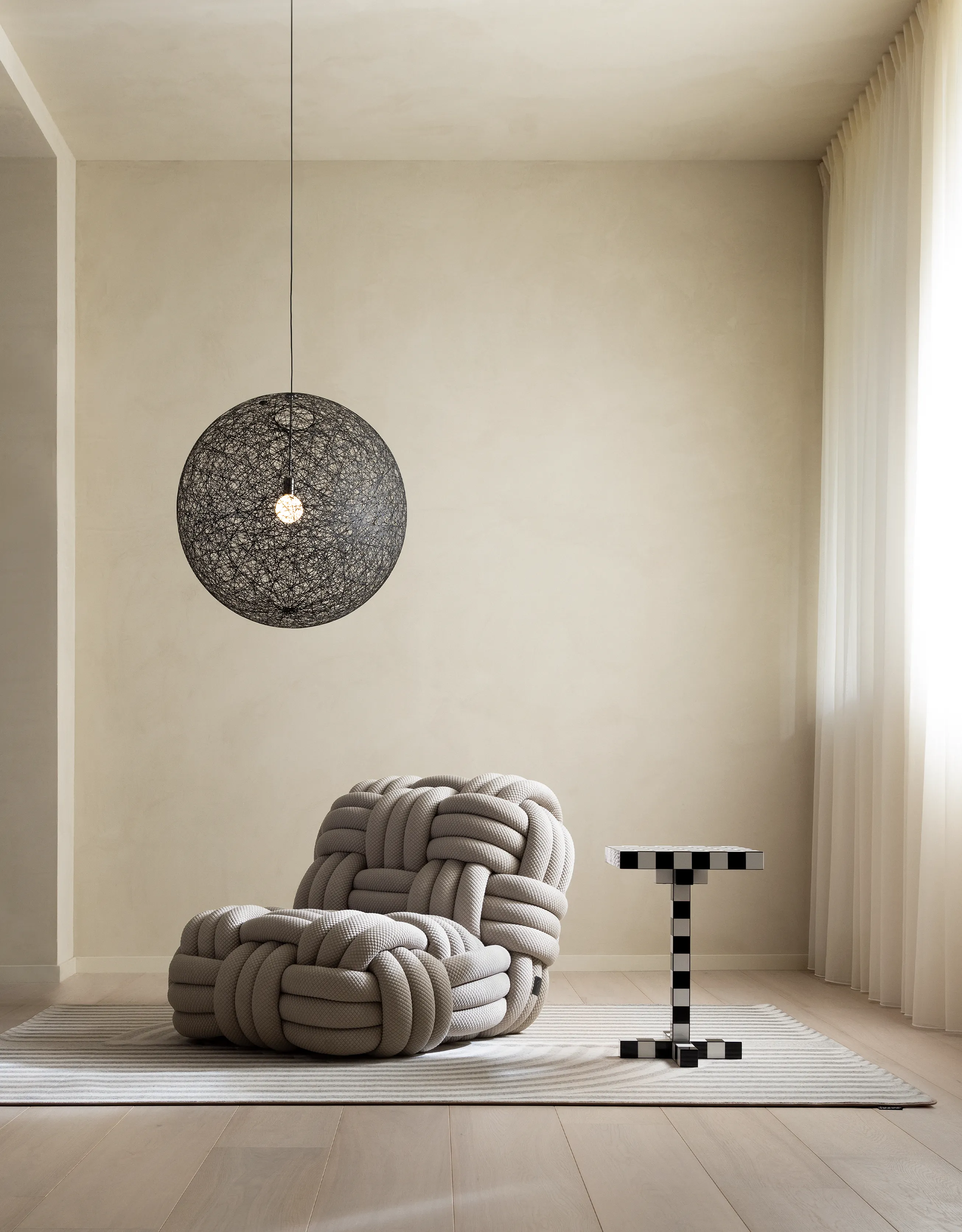
Her collaboration with Moooi, the Dutch brand known for its bold and experimental approach, amplifies this stance. Moooi has long been a stage for pieces that challenge convention, and in Zupanc it found a designer capable of transforming feminine narrative into formal language. The Knitty Lounge Chair is a statement of scale and texture. Crafted from oversized yarn resembling nautical ropes, the chair is woven into a chunky basket pattern that transforms seating into a tactile experience. It is not merely a seat — it is presence.

The Lolita luminaire, available as a table or pendant version, explores another dimension of her discourse. Inspired by deliberately exaggerated feminine archetypes, the piece employs pink tones and a reinterpreted classic silhouette to challenge cultural prejudice. Zupanc transforms what has traditionally been dismissed as frivolous into an iconic object.
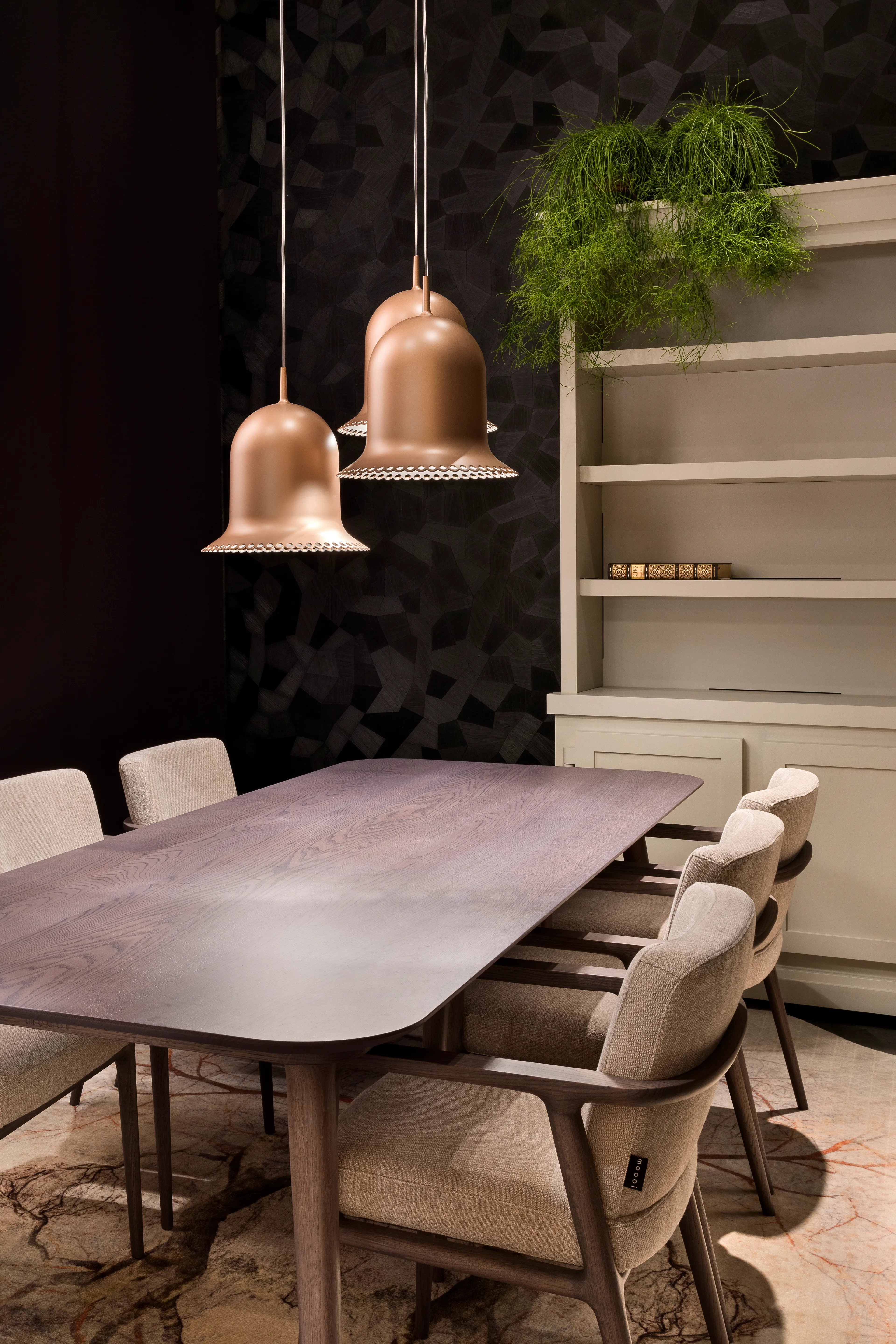
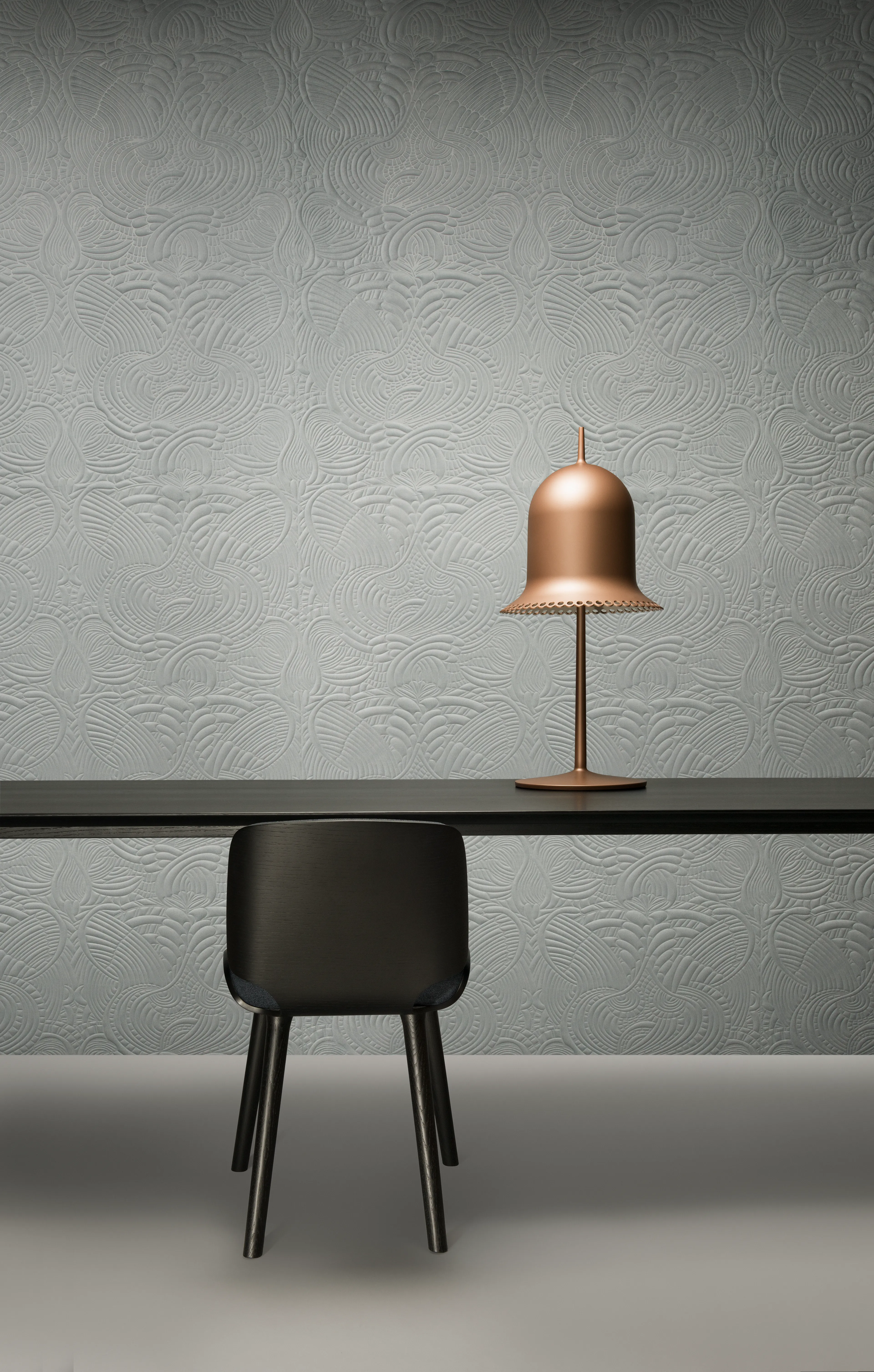
In Nika Zupanc’s work, emotion is not ornament — it is strategy. Her contribution to contemporary interior design lies in demonstrating that femininity can be powerful, complex, and structural, redefining the industry through conceptual courage.

When Design Connects Culture and Territory

Interior design is not merely an aesthetic discipline; it is a platform for cultural transformation. Through material, form, and production systems, these creators demonstrate how each piece can alter the way we inhabit and construct meaning in space. At DGLA, our network of more than 300 European manufacturing partners allows us to integrate into local projects not only high-level products, but contemporary thought in its purest form.