
CASE STUDY: HOW A COMPREHENSIVE SPATIAL TRANSFORMATION IS EXECUTED
In many architecture and interior design projects, the final result is often evaluated primarily through its aesthetic qualities. However, the quality of a built space rarely depends solely on the conceptual design, as the greatest challenges often arise in the transition between the projected idea and its materialization.
When design, procurement, and construction are developed as independent processes, projects tend to lose coherence, making their execution significantly more complex.
For this reason, contemporary design must be understood as a strategic decision capable of integrating these dimensions within a single working system.
This article examines the process behind a comprehensive spatial transformation and explores how the integration of diagnosis, design strategy, and project management enables an architectural vision to move from concept to execution with greater precision.
Project Diagnosis: Understanding Before Intervening
In comprehensive transformation projects, the initial diagnosis defines the direction of the entire process. It is essential to understand how the existing space functions and what type of spatial experience it should ultimately provide.
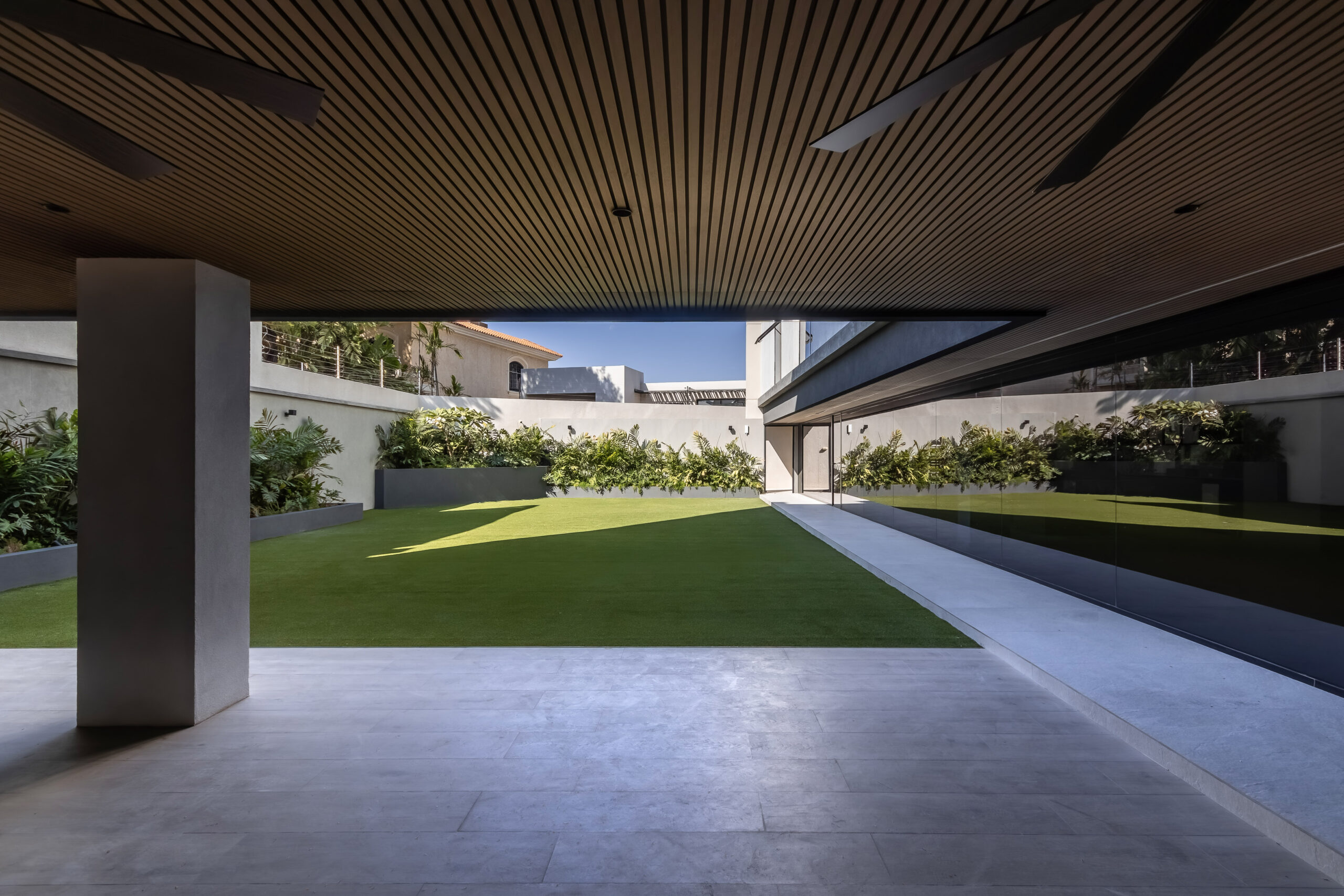
In Casa DM, this analysis focused on understanding the relationship between the original architecture of the property and the daily dynamics of those who inhabit it. The goal was to identify which aspects of the space were limiting its functionality and which opportunities its structure offered to rethink the organization of the home.
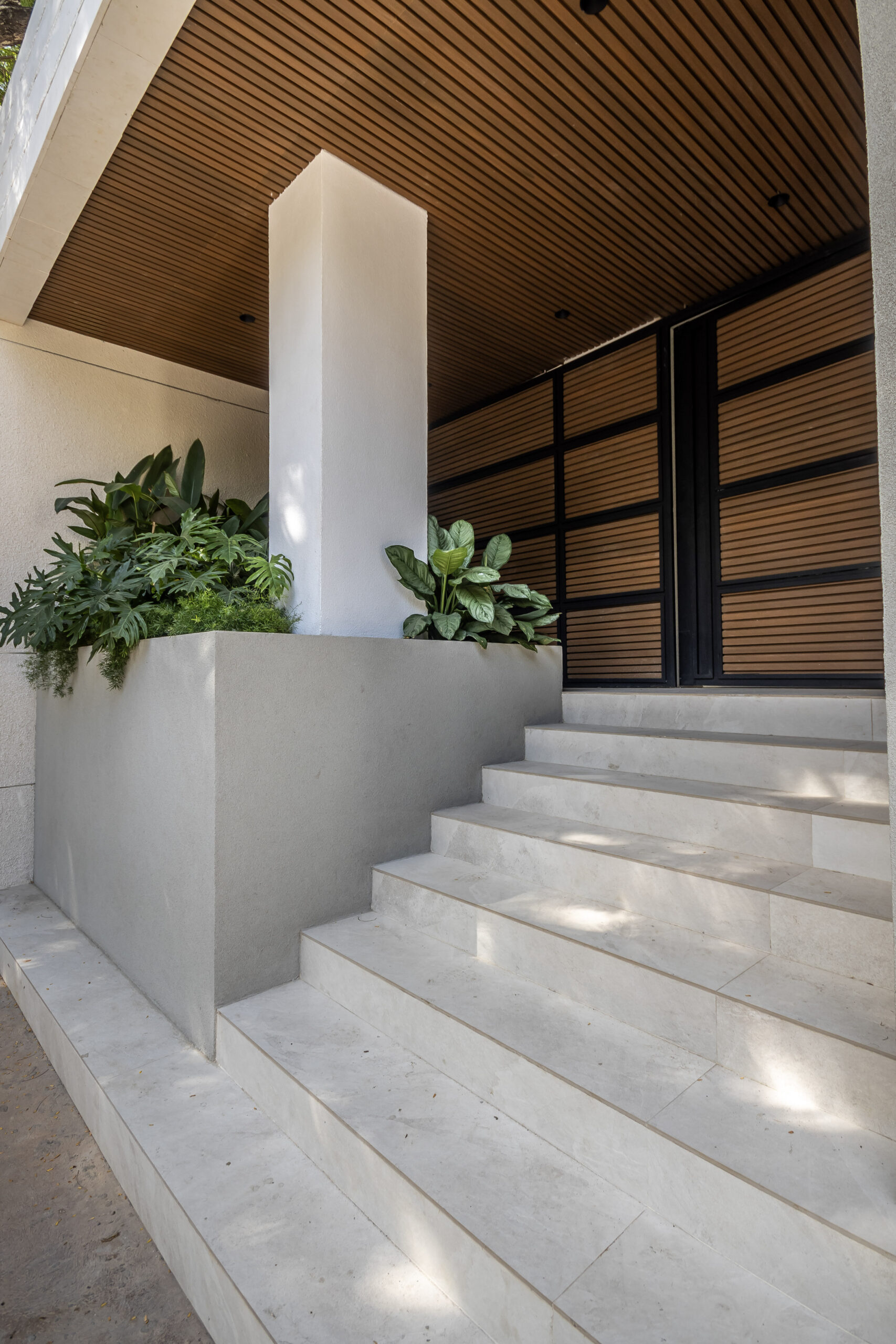
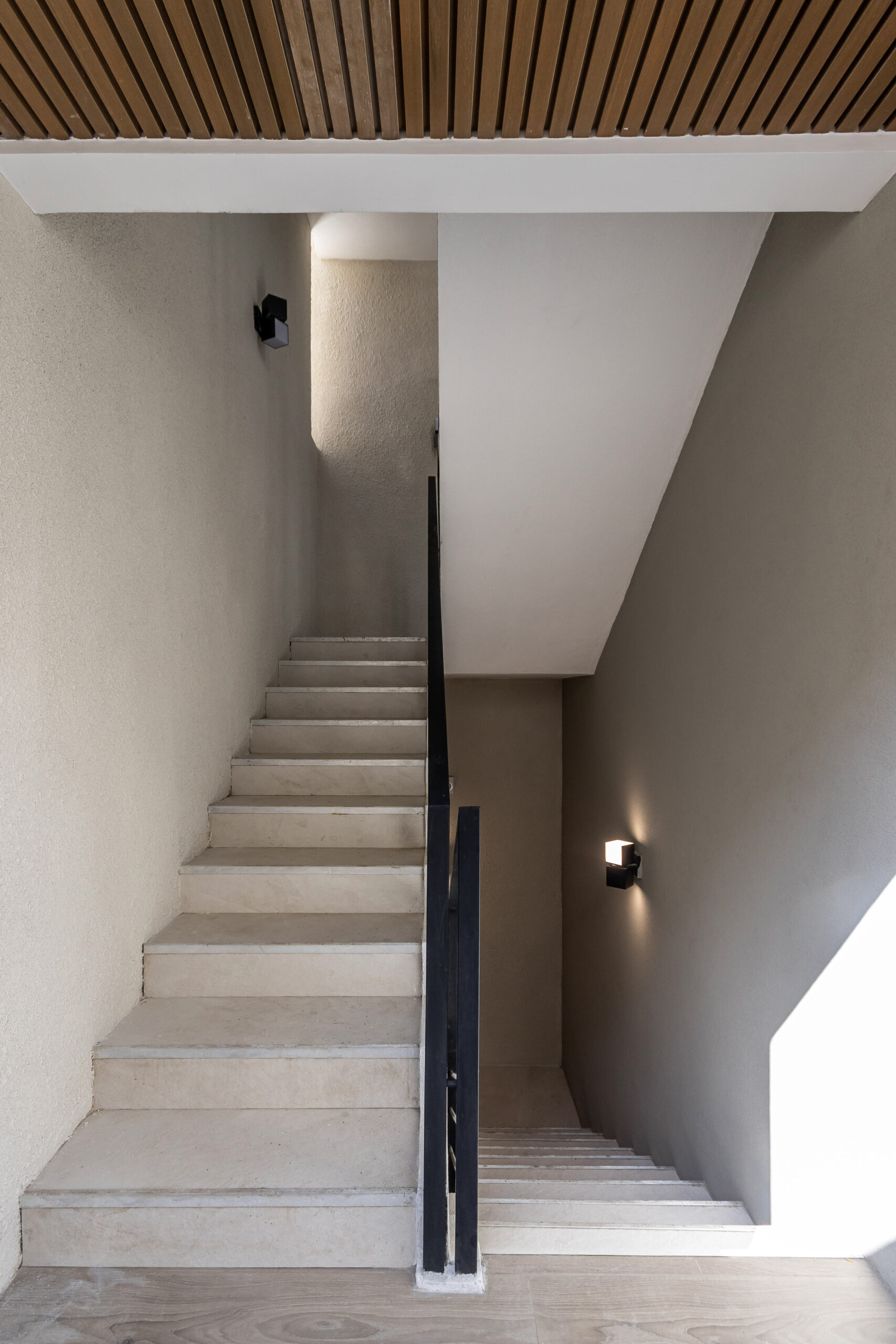
A rigorous diagnosis begins with a series of strategic questions that reveal the true scope of the project. Among them:
- What daily dynamics take place in the space, and which ones generate friction in its use?
- Which areas of the home are not adequately responding to current needs?
- How are the social, private, and service areas connected within the residence?
- What aspirations did the clients have regarding the way they wanted to inhabit the space?
- Which elements of the property represented opportunities for design, and which required reconsideration?
In the case of our flagship project Casa DM, this process revealed that the main challenge was not the scale of the space but the way its areas were organized and connected.
Certain social areas lacked visual continuity, while specific material elements fragmented the interior reading of the home.
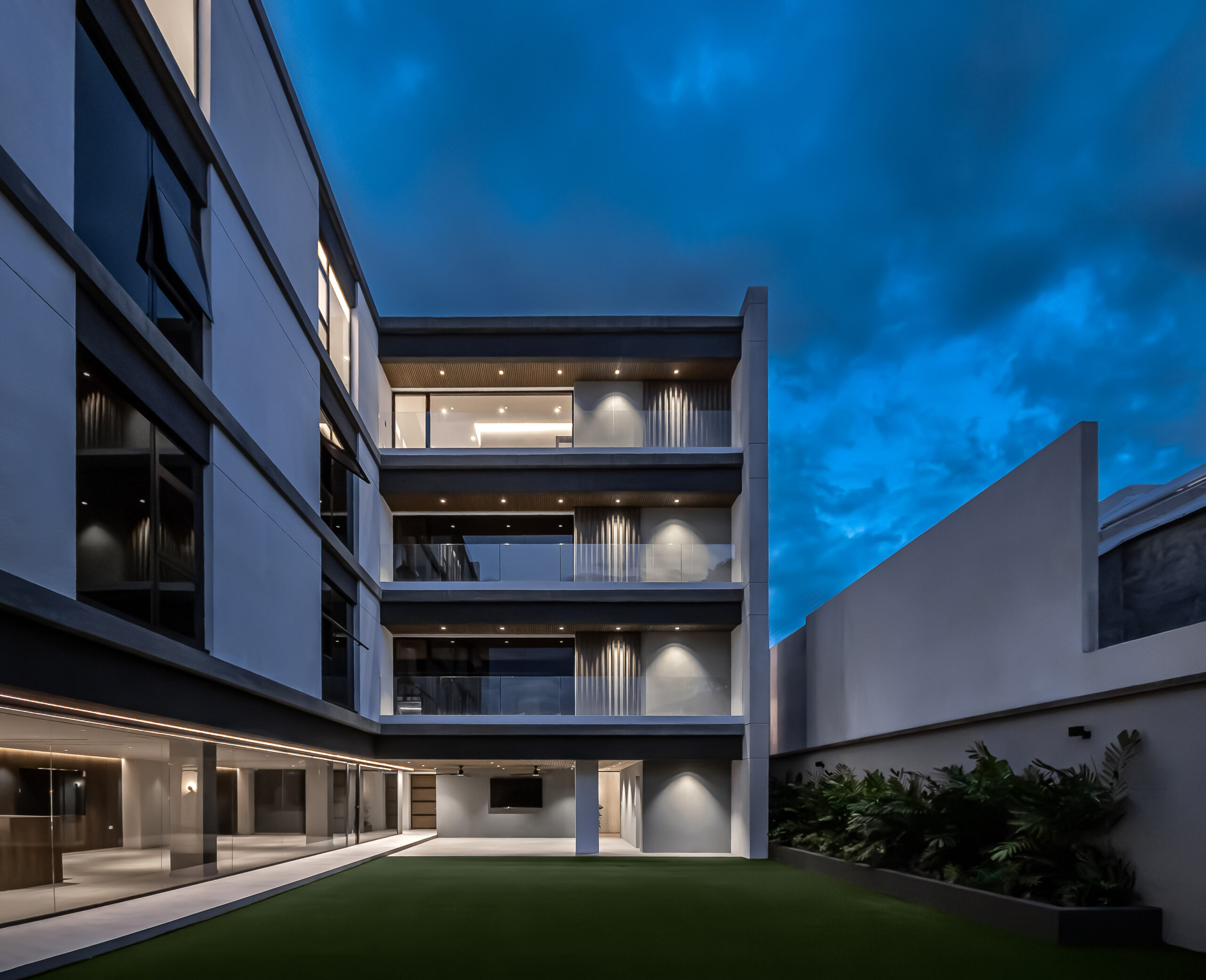
From this diagnosis, the project began to orient itself toward a clearer spatial organization, a material strategy capable of bringing continuity to the overall design, and a design approach that balanced everyday functionality with a more coherent residential experience.
Project Challenges: Variables That Shape Its Development
Once the diagnosis was defined, the Casa DM project revealed a series of variables that needed to be addressed in a coordinated way to ensure that the client’s vision could be realized with precision. As the house was developed entirely from the ground up, every decision had to simultaneously consider architecture, interior design, and execution.
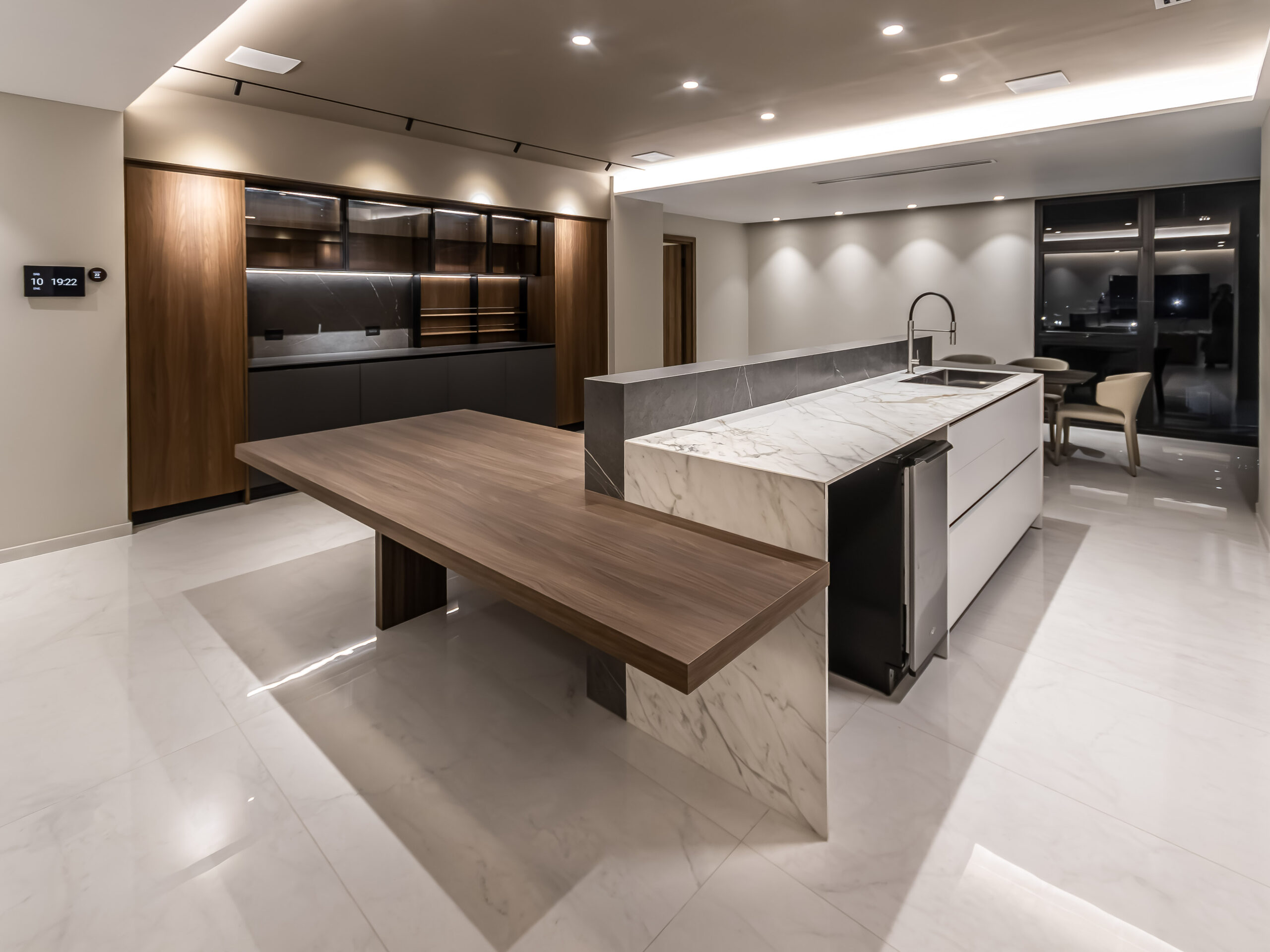
Key challenges identified and their resolution within the project
Translating the client’s vision into a coherent architectural concept
A comprehensive design strategy was developed from the outset to define the relationship between spatial organization, material language, and user experience.
Designing an architecture capable of responding to real domestic dynamics
Spatial planning prioritized functional clarity, continuity between social and private areas, and fluid interior circulation.
Coordinating architecture, interior design, and material selection as a single system
All project decisions were integrated within the same design strategy, avoiding fragmentation between disciplines.
Synchronizing project development and execution
A structured planning framework aligned design development, material specifications, and construction stages from the beginning.
Maintaining coherence between conceptual vision and the built result
A detailed project development phase allowed decisions to be anticipated before construction, reducing deviations between the design and its execution.
Addressing these conditions through an integrated perspective allowed the project to be structured with methodological clarity, establishing a solid foundation for its final materialization.
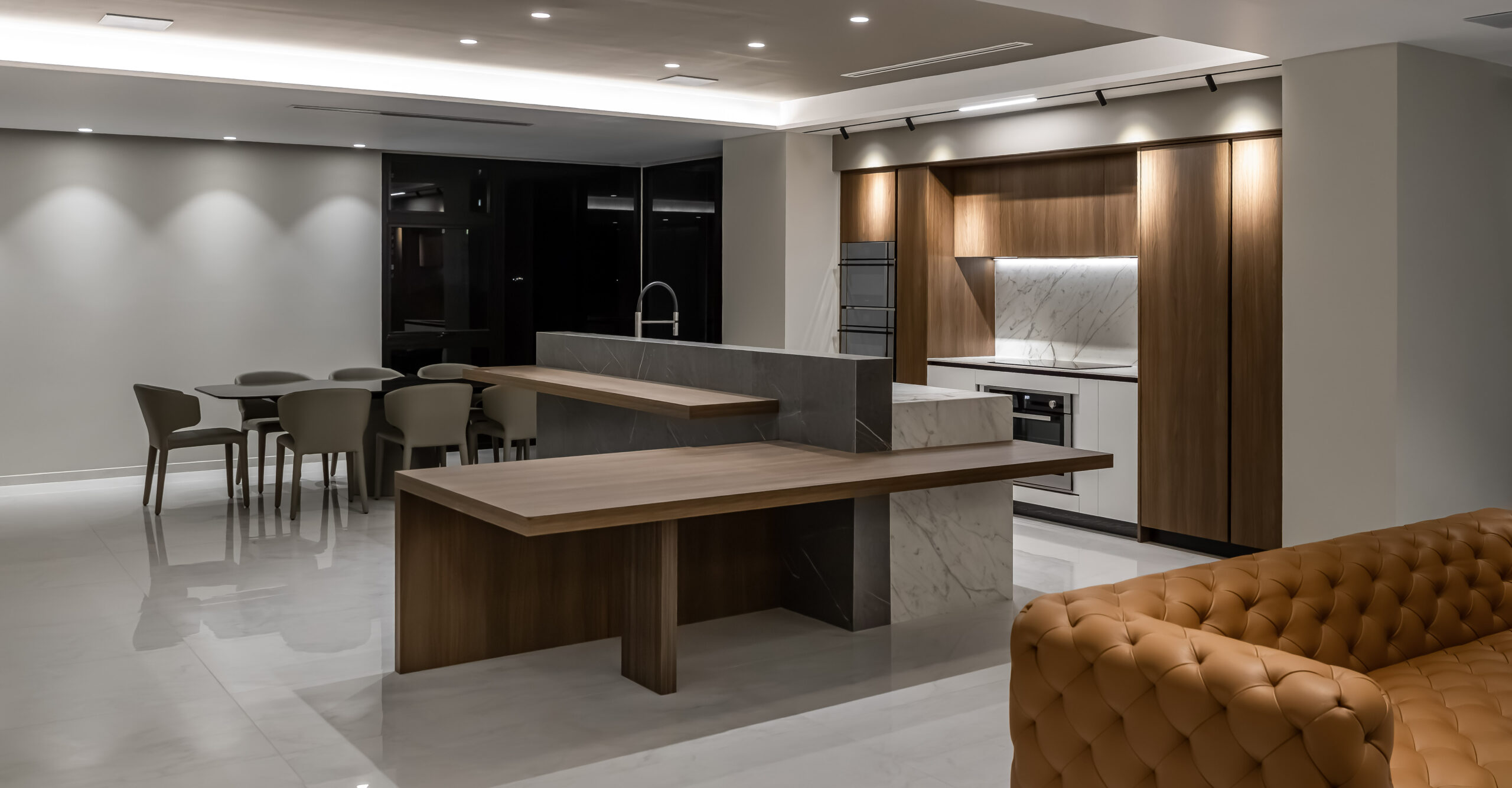
Project Strategy: Methodology for Development
Once the diagnosis and challenges were defined, the development of Casa DM was approached through an integrated methodology that allowed architecture, interior design, and execution to be coordinated within a single working system.
Step 1. Conceptual Definition
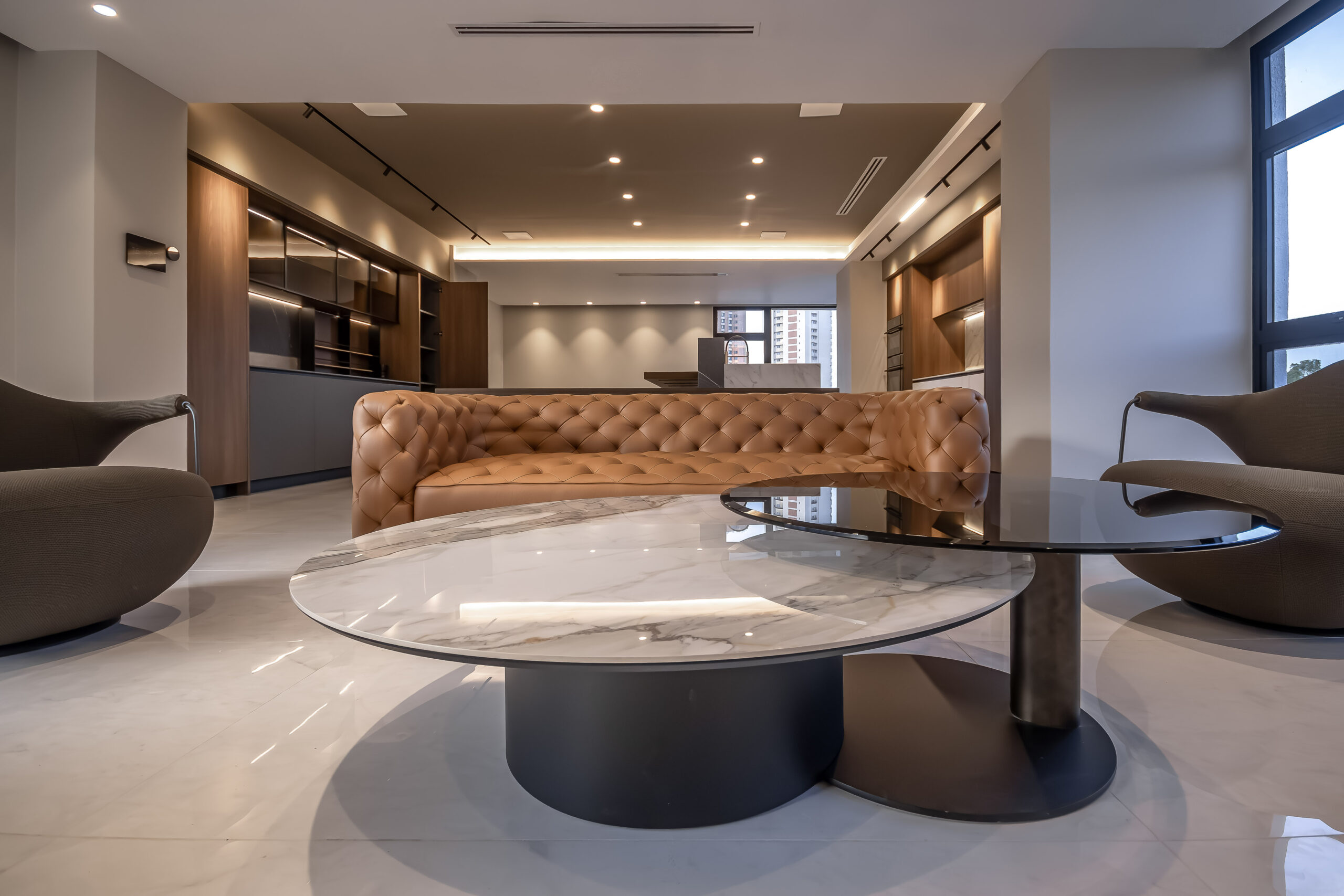
Every comprehensive transformation begins with defining an architectural concept capable of guiding the project’s subsequent decisions. This phase establishes the spatial logic of the residence, the relationship between its different areas, and the material language that will define its identity.
In Casa DM, this phase structured the home around a clearer spatial organization, prioritizing continuity between social and private areas and creating more fluid circulation.
-
Consider
-
- What spatial experience should the home provide?
- How should social, private, and service areas relate to one another?
- Which conceptual principles will guide design decisions?
Step 2. Architectural Project Development
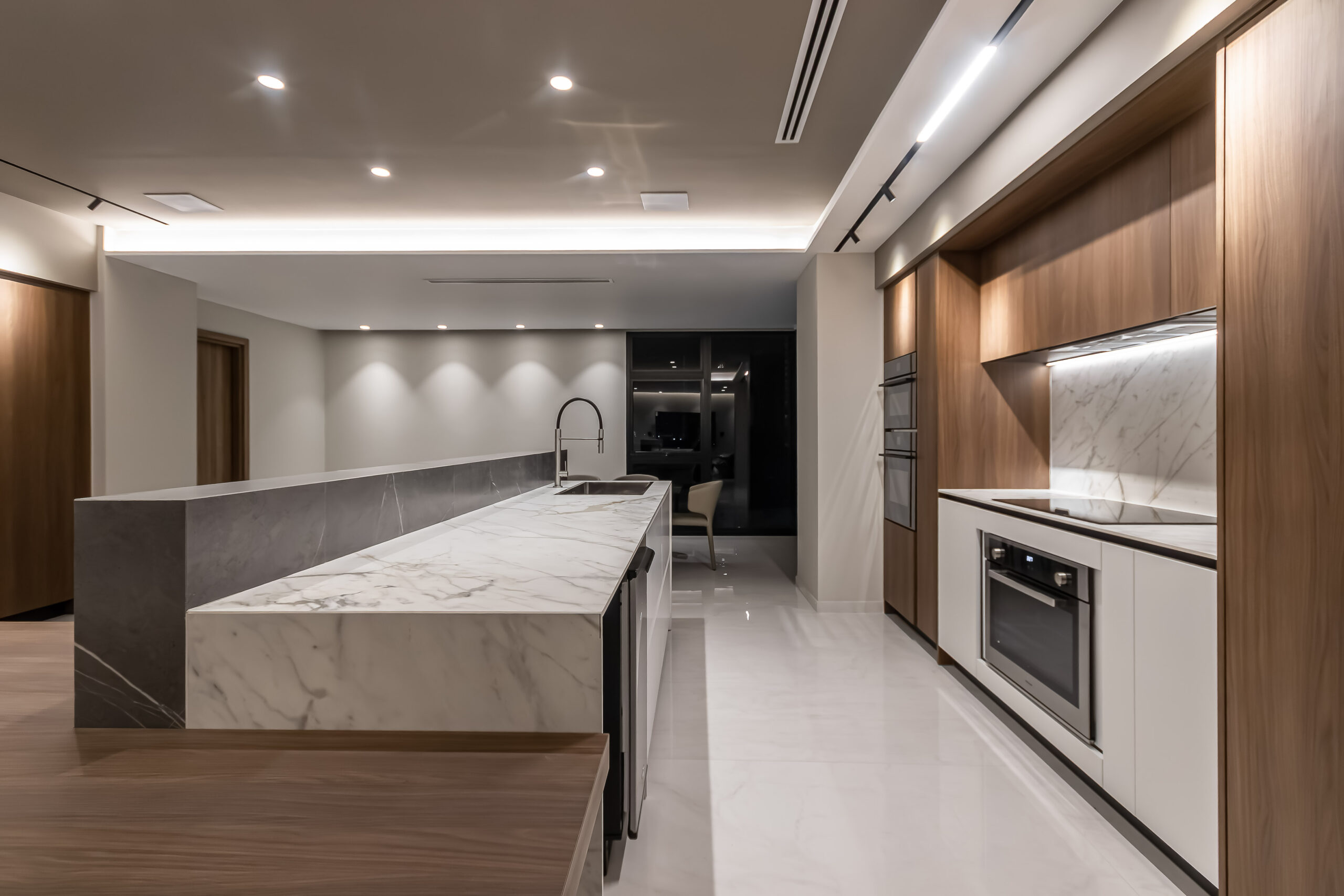
Once the concept is defined, the next step is developing the project with enough detail to anticipate its final result. This includes visual representations and technical documentation that allow decisions to be validated before construction begins.
In Casa DM, this stage allowed each spatial and material decision to be evaluated and aligned expectations with the client.
Consider
- Does the design clearly resolve spatial organization?
- Do material decisions reinforce the conceptual strategy?
- Can the client clearly visualize the final outcome?
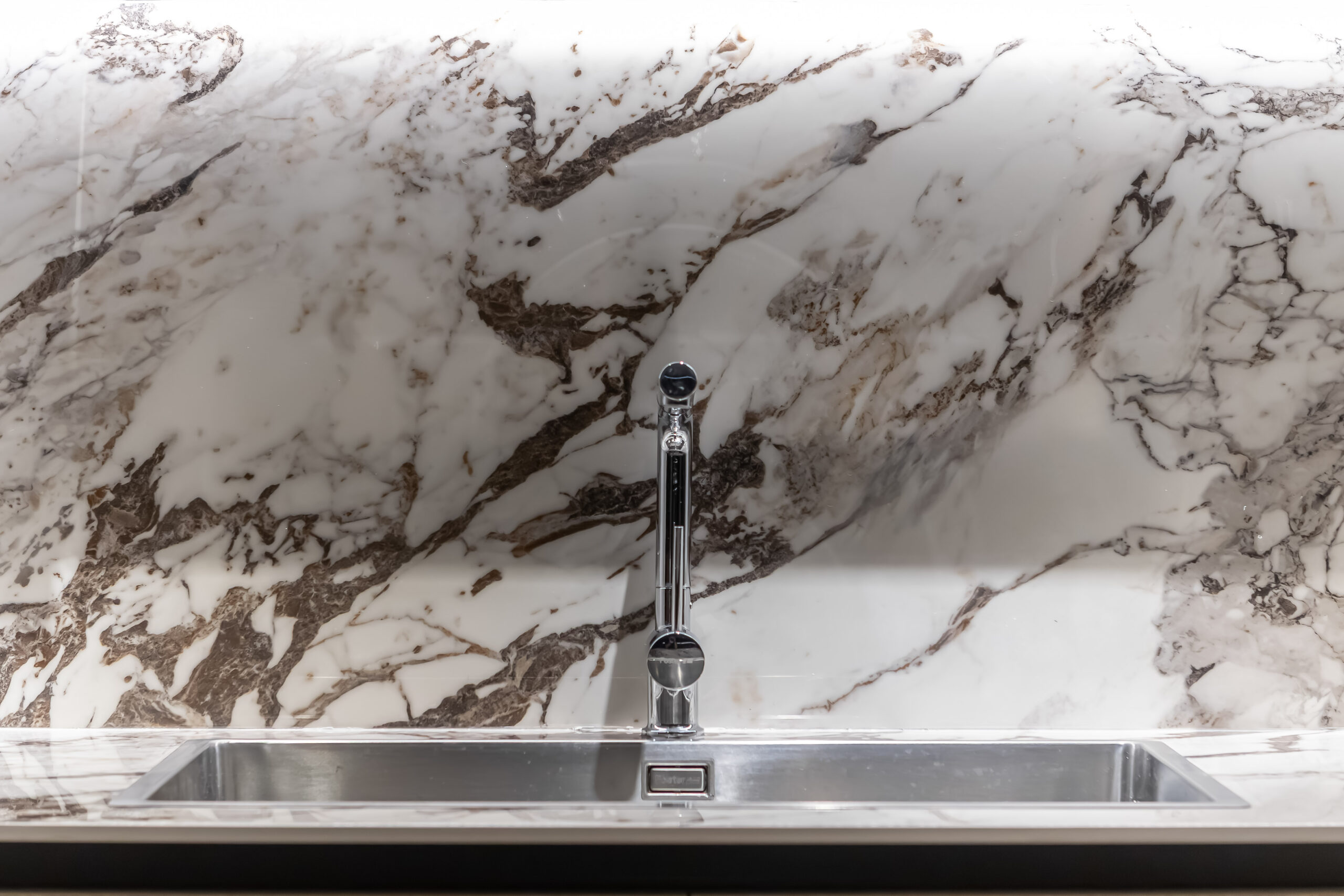
Step 3. Material Strategy
Material selection plays a structural role in the design. It is not only an aesthetic decision but also defines how the space is perceived and experienced.
In Casa DM, the material strategy focused on creating visual continuity between the different environments of the home.
Consider
- Do materials dialogue coherently throughout the project?
- Do they respond to the real conditions of use?
- How do they influence light, continuity, and spatial perception?
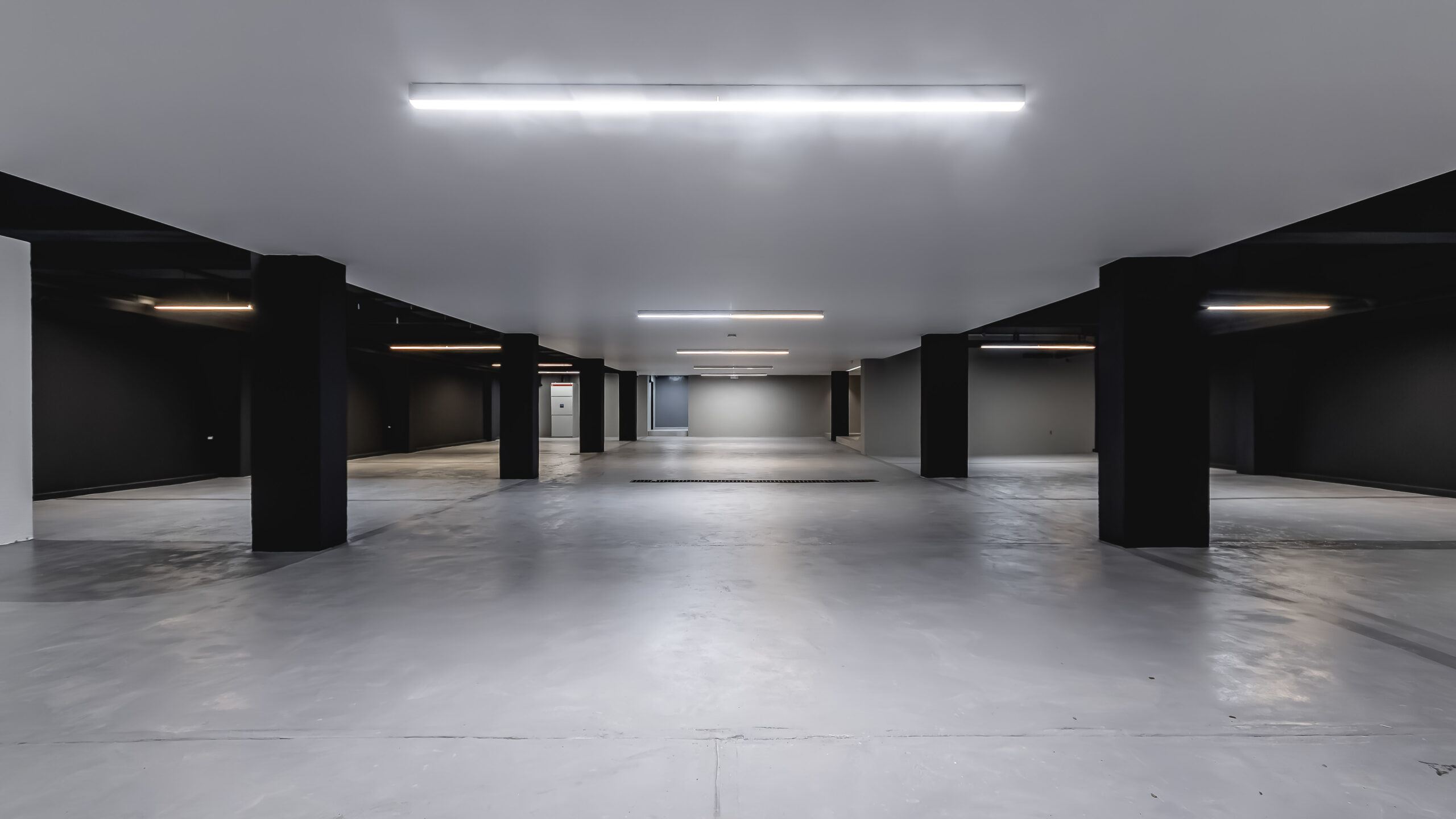
Step 4. Project Coordination
Comprehensive projects require architecture, interior design, materials, and execution to be coordinated within a single planning structure. When these variables are managed independently, coherence is lost.
In Casa DM, coordination allowed all stages of the project to be structured within a unified planning system.
Consider
- Is there alignment between design, specifications, and execution?
- Can project decisions be implemented correctly during construction?
- Does the timeline integrate all phases of the project?
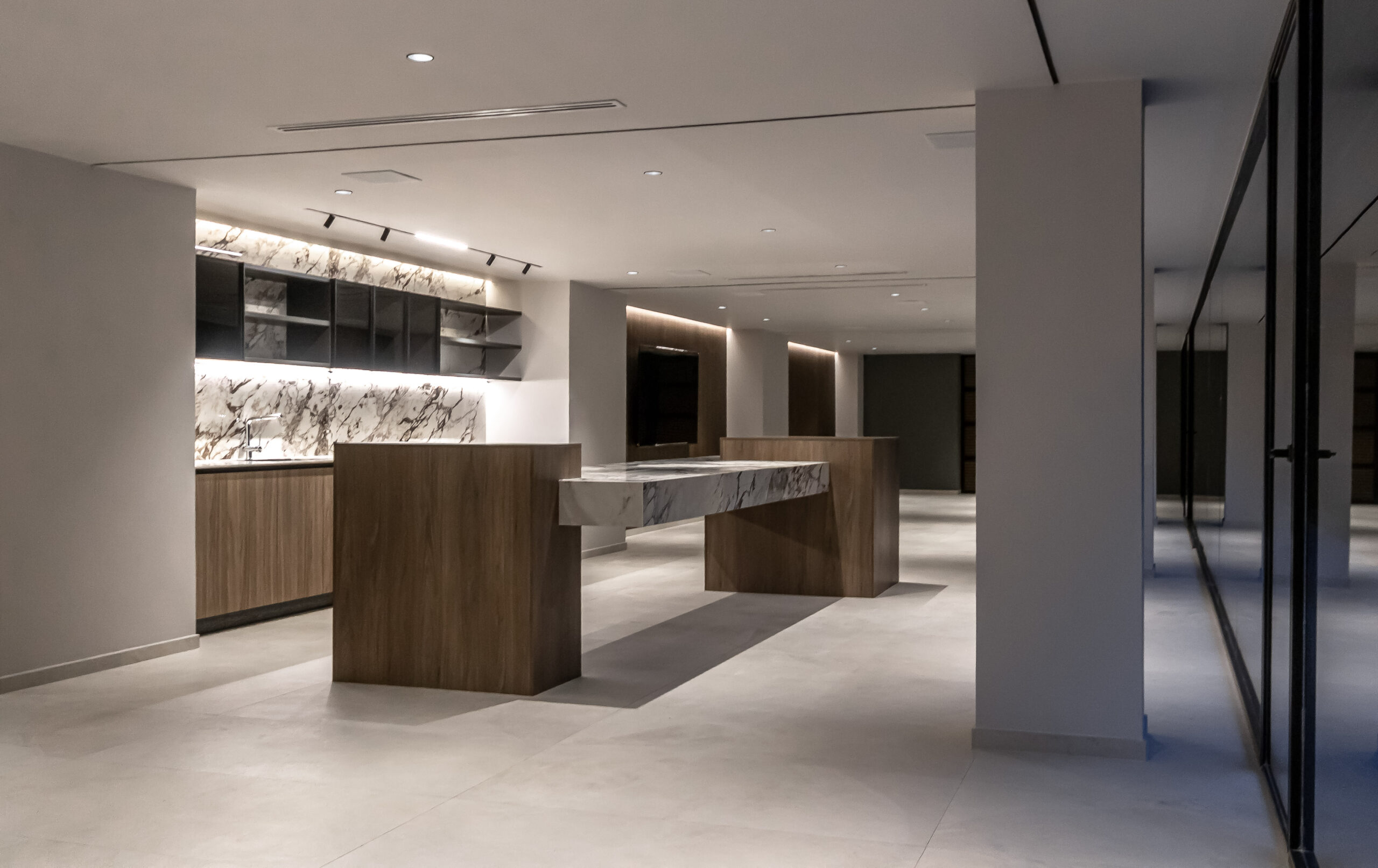
Step 5. Execution and Project Control
The final phase ensures that the project is built faithfully according to the approved concept. This involves supervising spatial, material, and construction decisions during implementation.
In Casa DM, construction oversight ensured that the final built result maintained coherence with the developed design.
Consider
- Does the construction respect the project specifications?
- Are material decisions implemented correctly?
- Does the final outcome reflect the conceptual vision?
Project Outcome: Recognizing a Well-Executed Transformation
In architecture and interior design, the true success of a project is not defined solely by its visual appearance. A well-executed transformation is recognized by how the space functions, how it is experienced, and how it preserves value over time.
Beyond aesthetics, there are three dimensions that allow us to identify when a project has been executed with strategic coherence.
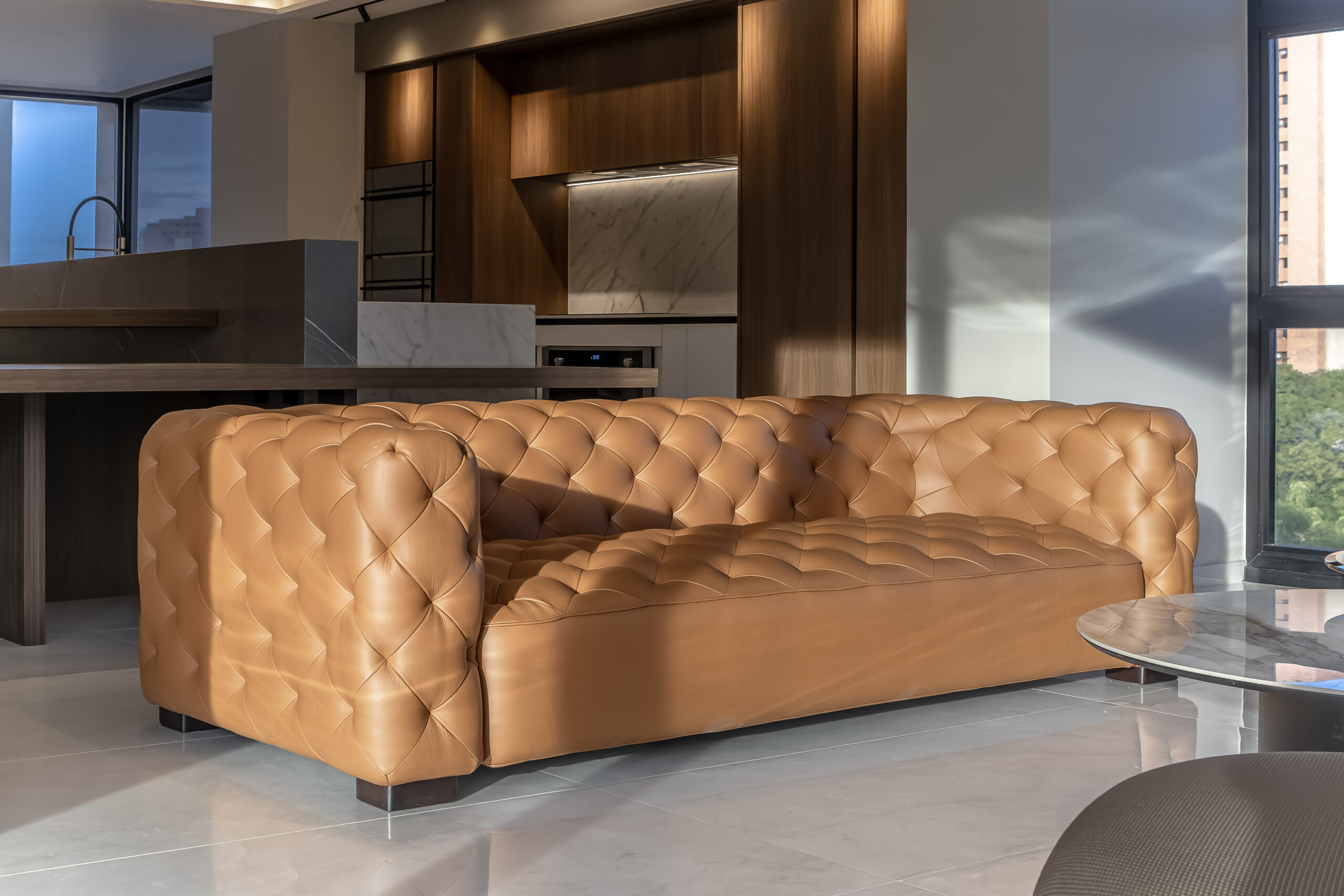
Functional Value: When the Space Works for Its Users
A well-resolved project improves how spaces function in daily life.
Indicators of success
- Circulation feels natural and uninterrupted.
- Each area serves a clear purpose within the home.
- Social, private, and service zones maintain a logical relationship.
- The space adapts easily to everyday domestic dynamics.
When these conditions are met, users no longer adapt to the space — the space adapts to the way they live.
Spatial Value: When Design Operates as a Coherent System
Architectural quality is perceived in the relationship between proportions, materials, lighting, and visual continuity.
Indicators of success
- Materials and finishes maintain continuity throughout the project.
- Lighting reinforces spatial perception.
- Transitions between environments feel natural.
- Each material decision contributes to the identity of the design.
In these cases, the space is perceived as a coherent whole in which each element is part of the same architectural narrative.
Property Value: When the Project Strengthens the Asset
Decisions made during a comprehensive project directly influence the long-term perception and value of a property.
Indicators of success
- Materials are selected with durability in mind.
- Architecture maintains clarity and balance.
- The design remains timeless over time.
- The overall environment conveys quality and permanence.
When these elements are integrated, the intervention not only improves the experience of the space but also strengthens its long-term value.
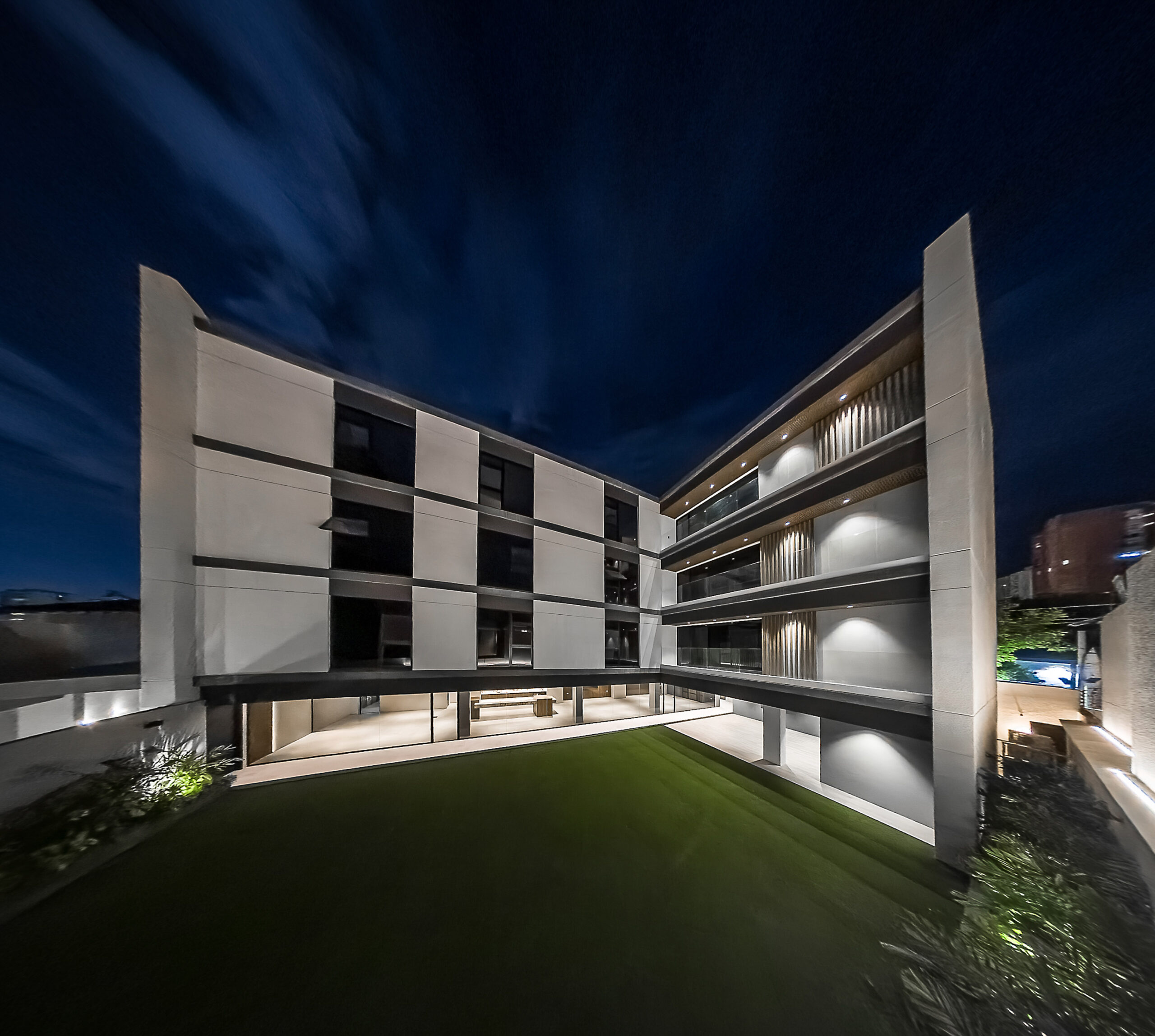
When Design Becomes Execution
A well-developed project is not defined solely by its aesthetics but by the clarity of the process that makes it possible. When diagnosis, strategy, and execution are integrated within the same system, design moves beyond intention and becomes a precise built result.
If you are considering a comprehensive transformation project and want to approach it through a structured methodology, our team can guide you through every stage of the process. Contact us to discuss your project.