
Within interior and architectural design, communication often centers on the end result: meticulously curated photographs, visually choreographed walkthroughs, and carefully staged atmospheres.
Yet the true quality of a project is not defined at the finish line—it is determined by the decisions made long before any aesthetic outcome exists. That early phase is rarely discussed, even though it is the stage that ultimately determines whether a project is functional, coherent, and durable.
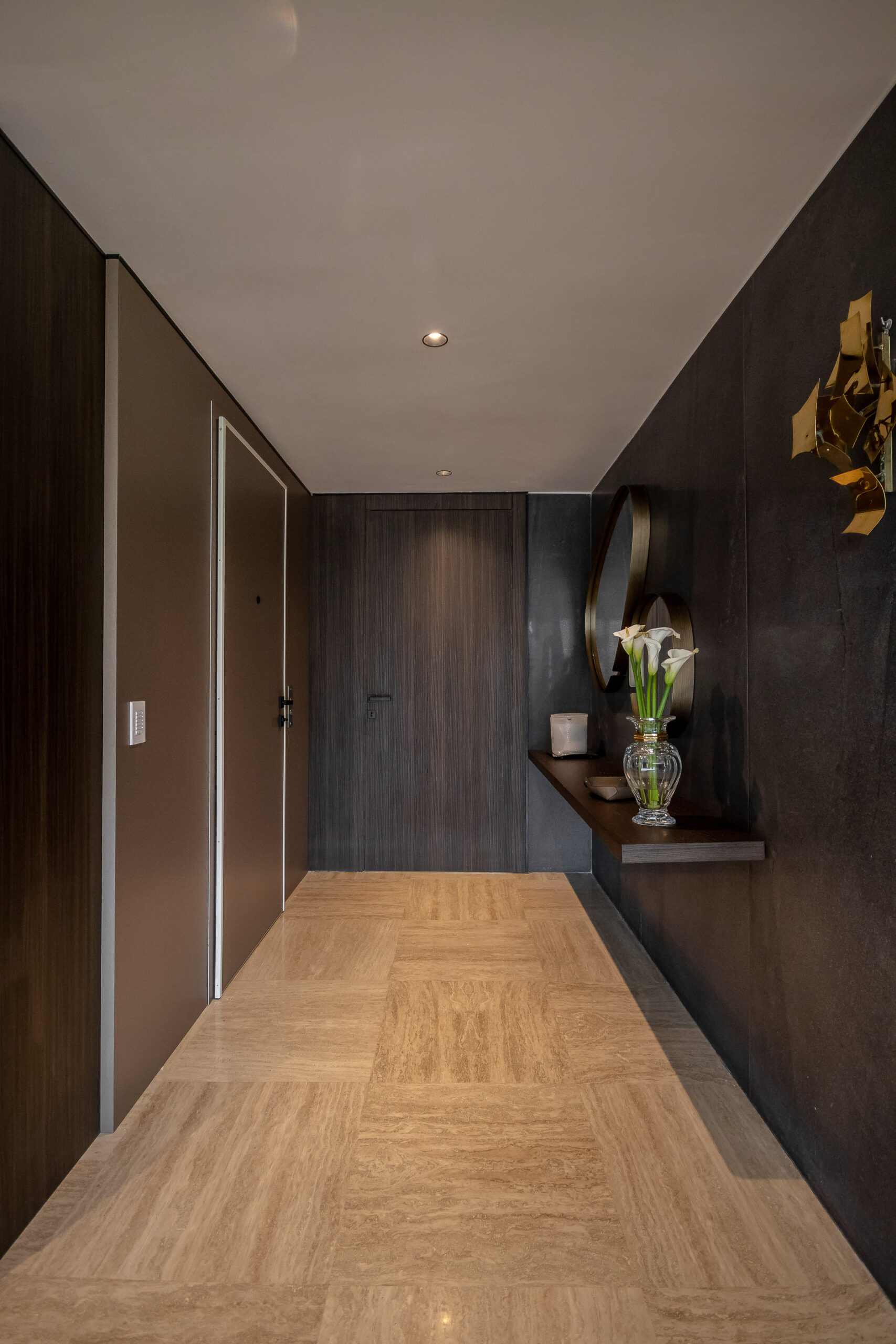

When design is developed solely from a visual standpoint, it becomes fragile. It may appear attractive, but it fails to solve operational needs or support long-term use. In contrast, when it emerges from a clear spatial logic—how the environment is inhabited, how users move, and what each zone requires—coherence becomes the structural backbone of the project.
This article addresses precisely that: what is analyzed before drawing a line, which questions structure intent, how compatibilities are evaluated, and how a concept is built so it can withstand construction, operation, and time.
The 5 Fundamental Questions That Determine the Integrity of a Project
In interior architecture, the most critical problems do not surface on site—they emerge at the beginning, when projects are defined without the right questions. Many spaces fail because the process begins with aesthetics rather than with purpose, operations, and constraints.
For that reason, before producing any formal gesture, we must understand what is being transformed and why. This logic also applies when approaching renovations: understanding the context, constraints, and the non-negotiable decisions that structure the entire process.
1. What is the project’s essential need?
Identifying the true objective prevents superficial or symptomatic solutions.
2. Who will use the space, and how do they behave within it?
Operational behavior defines the spatial strategy. Habits, routes, and routines are functional data—not assumptions.
3. What constrains the project most: site conditions, budget, or operations?
Every project has a primary structural or operational boundary. Identifying it early prevents contradictions during development.
4. What must the space communicate before any material is specified?
Atmosphere is a conceptual decision that sets the emotional and perceptual framework of the project.
5. What decisions must be resolved from the start?
Circulation logic, lighting requirements, immovable elements, and structural factors must be defined early to avoid costly deviations in later phases.
6. Which elements are fixed, and which can evolve?
Distinguishing between immutable components (structure, openings, installations) and flexible ones (partitions, layout, furniture) defines the project’s realistic scope.
7. What essential experiences must the space enable?
Identifying the “non-negotiable experiences” prevents the concept from being diluted by decorative decisions.
8. What operational risks could compromise the integrity of the idea?
A solid concept anticipates friction points and addresses them before they materialize during construction or use.
These questions operate as a navigation system: clarifying priorities, aligning expectations, and ensuring the project is not built on assumptions.

What a Space Requires Before Any Formal Decision
This stage—usually invisible to clients—determines whether a concept can be sustained through construction, occupancy, and long-term operation. Here are the factors a design team evaluates before defining any spatial strategy.
Site Conditions. The site is a data system: natural light, solar exposure, ventilation, acoustics, geometry, orientation, and urban dynamics. A precise reading informs distribution, materiality, environmental comfort, and spatial logic.
User Operational Logic. Understanding how the space functions—who uses it, how they circulate, who maintains it, and what operational load it generates—is essential to avoid conceptually attractive solutions that break under real use.
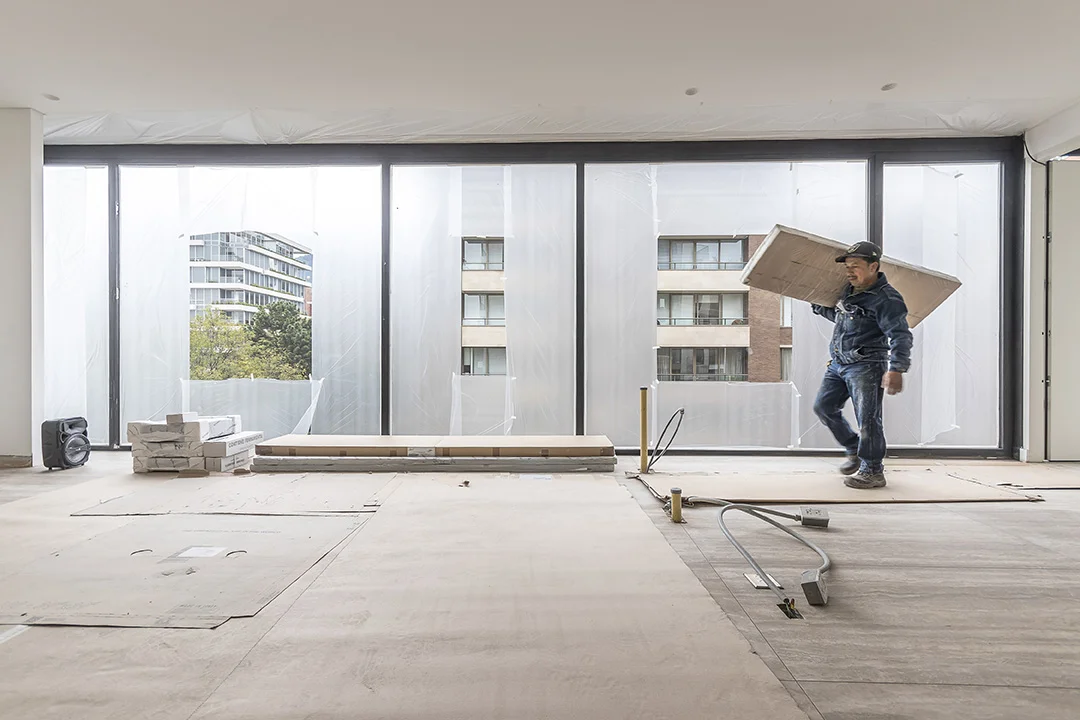
Technical Feasibility. Every idea must be tested against engineering, structural systems, installations, and available construction methods. Technique does not limit creativity; it aligns it with what is feasible.
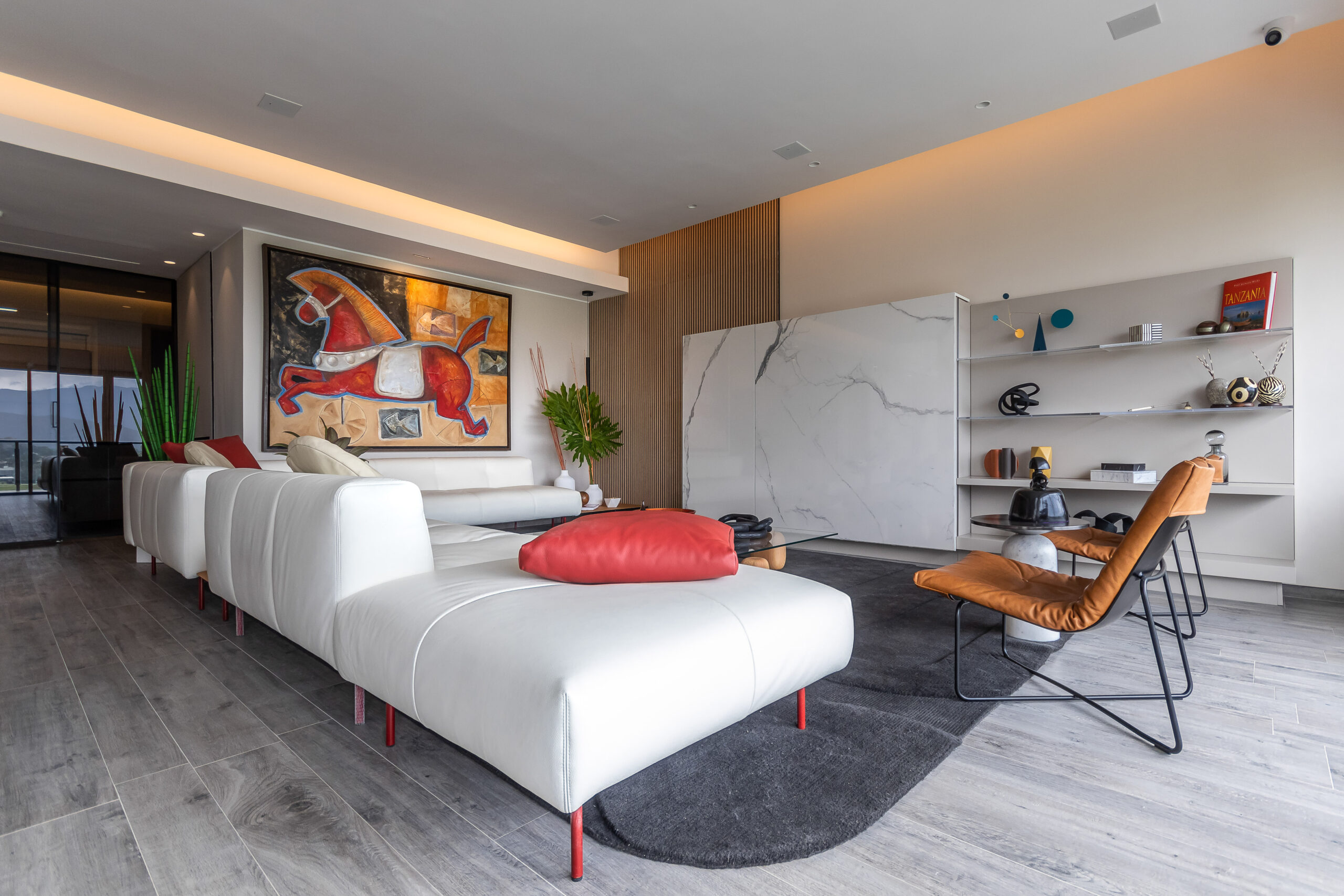
Identity as Spatial Strategy. In commercial, experiential, or corporate environments, identity defines how the user should feel and what differentiates the space. True identity translates into spatial decisions—not decoration.

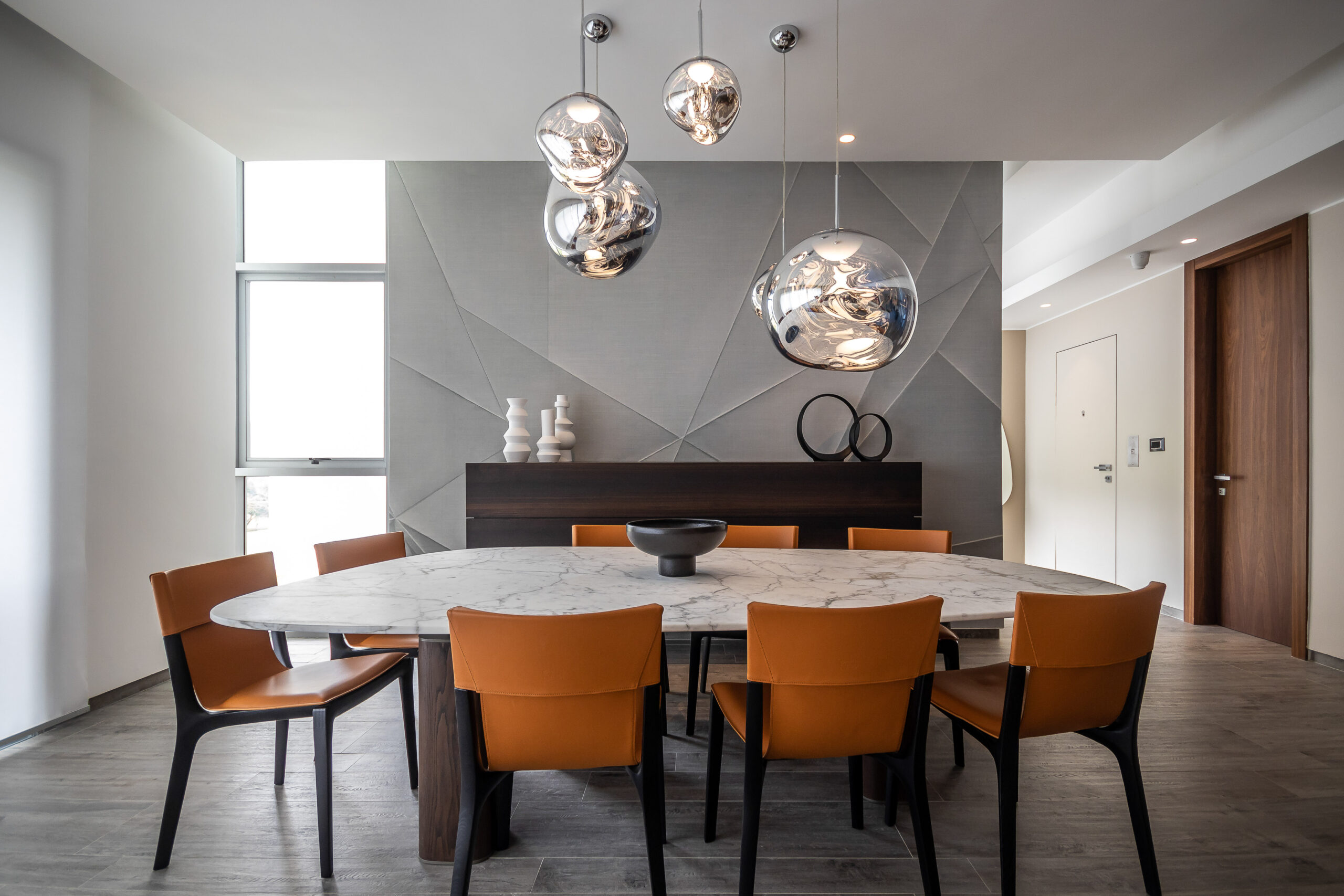
Life Cycle and Adaptability. A project must endure—functioning five, seven, or ten years beyond its inauguration. Understanding what must remain and what can evolve prevents premature obsolescence.


When these parameters are clearly defined, the project enters a state of conceptual coherence that guides all subsequent decisions.
Designing in Uncertainty: When Information Is Incomplete
Every interior project encounters a stage where key information is still evolving: the client’s vision is maturing, site conditions reveal unforeseen complexities, budgets adjust, and operational requirements remain undefined.

This ambiguity is not a flaw—it is a structural condition of design. The strength of a project lies not in eliminating uncertainty, but in how decisions are made within it.
A skilled designer structures uncertainty and maintains conceptual coherence even as variables shift.
Relying on Proven Patterns When Data Is Missing
When information about flows, routines, or functional requirements is insufficient, decisions should not rely on speculation but on validated patterns: ergonomics, anthropometry, typological precedents, environmental psychology, and empirical studies.
Working With Ranges Instead of Absolutes
Projects often fail because definitions are set too rigidly, too early.
A robust design introduces tolerance ranges—adjustable lighting schemes, flexible circulation paths, and adaptable volumes that can absorb change without compromising the concept.
Documenting Every Control Point
Errors in construction usually stem from deferred decisions.
A rigorous process documents each uncertainty, assigns responsibility, and validates it with engineering, operations, or the client.
Early Reversible Decisions, Late Final Decisions
Iterative design dictates that early decisions must be flexible, and final decisions must be made only when key variables are stable.
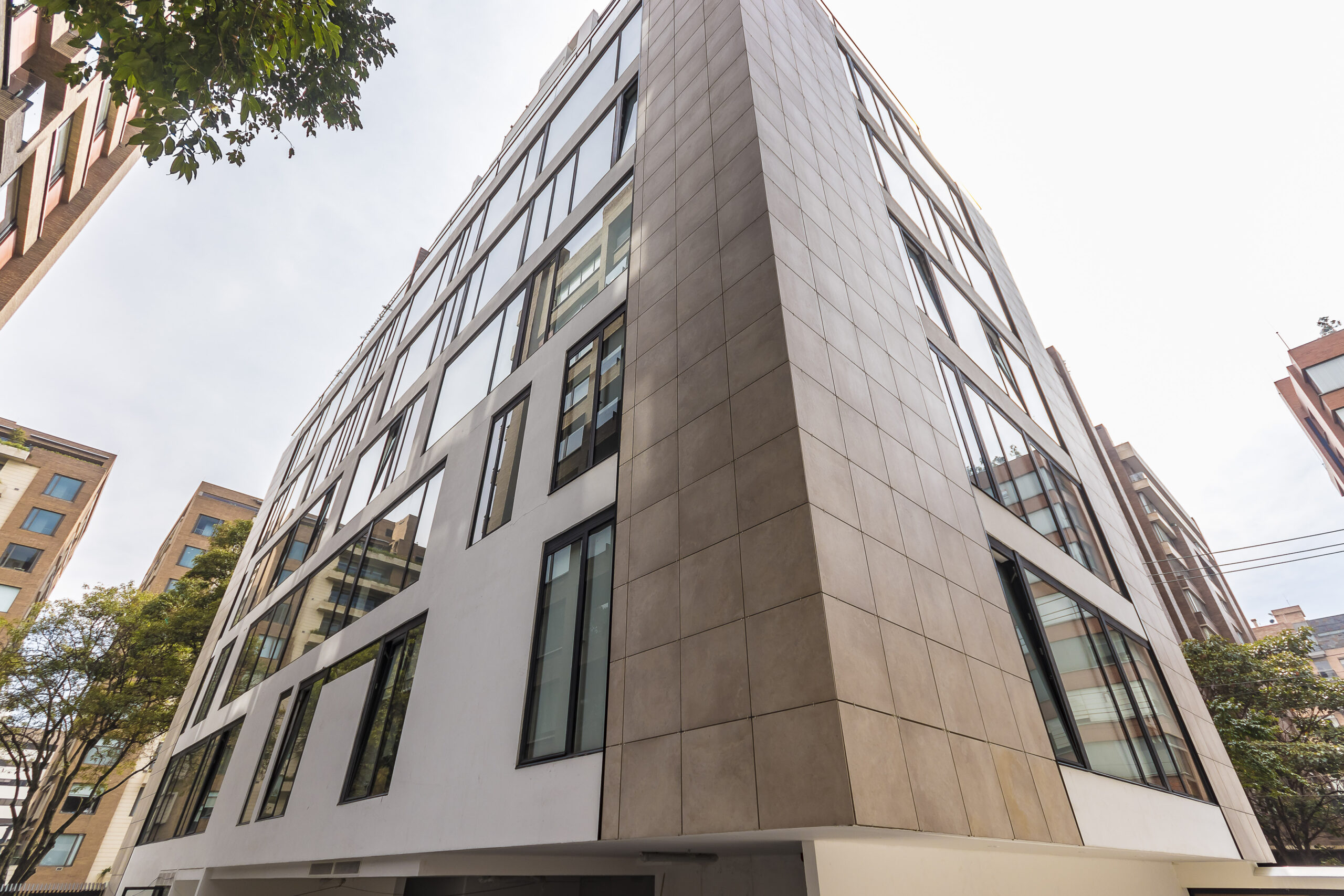
The Organizing Idea: The Structural Criterion of the Project
Before drawing a line, a project requires a conceptual mechanism capable of structuring it. The organizing idea fulfills this role: it is the operational premise that aligns decisions, reduces ambiguity, and provides direction.
It is not a decorative theme nor a poetic abstraction—it is the principle that informs how the space is used, perceived, and articulated.
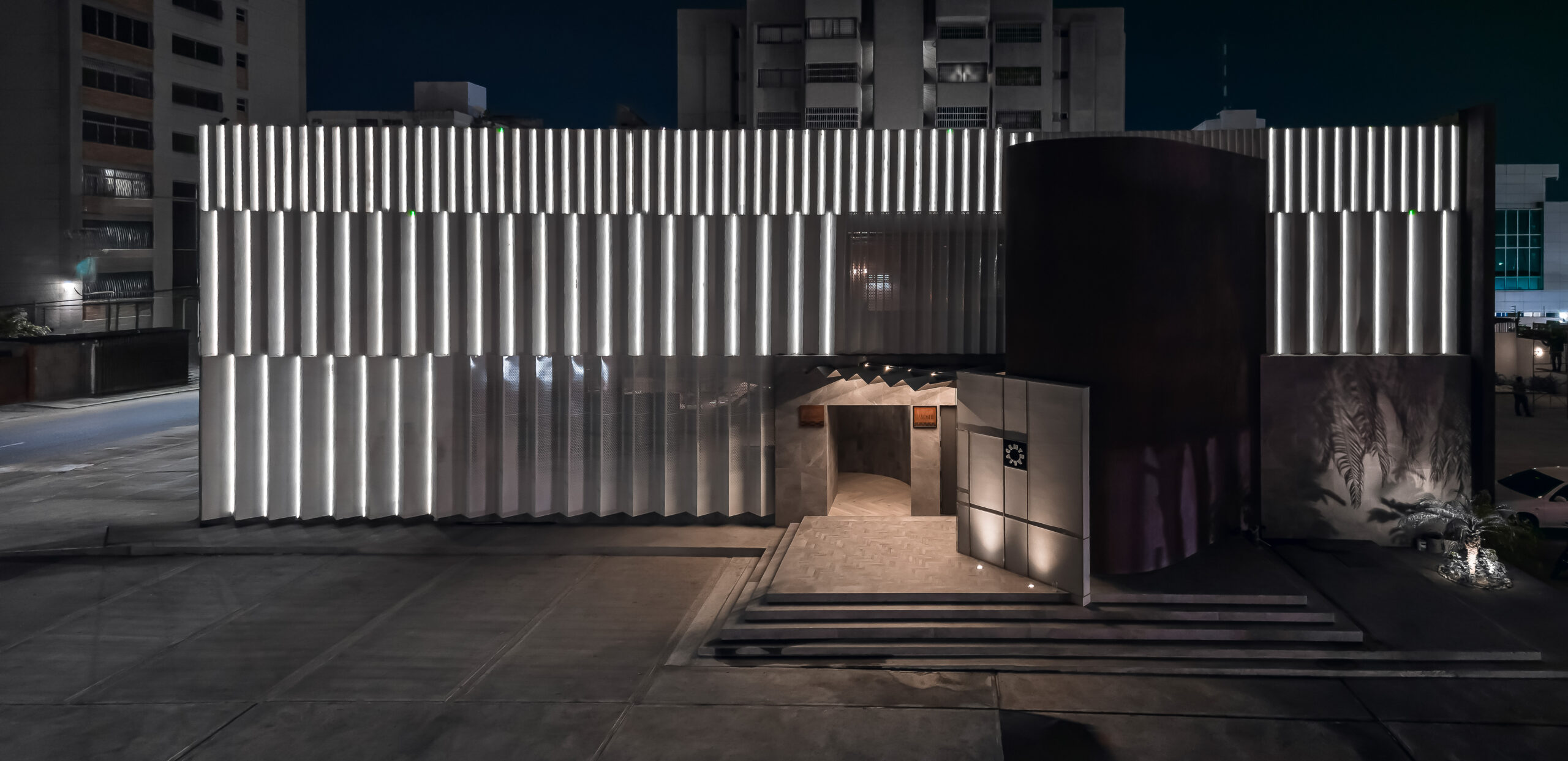
The organizing idea emerges from identifying an initial tension: a spatial condition that must be resolved—lack of ventilation, fragmentation, operational inefficiency, or a structural constraint that dictates spatial reading.
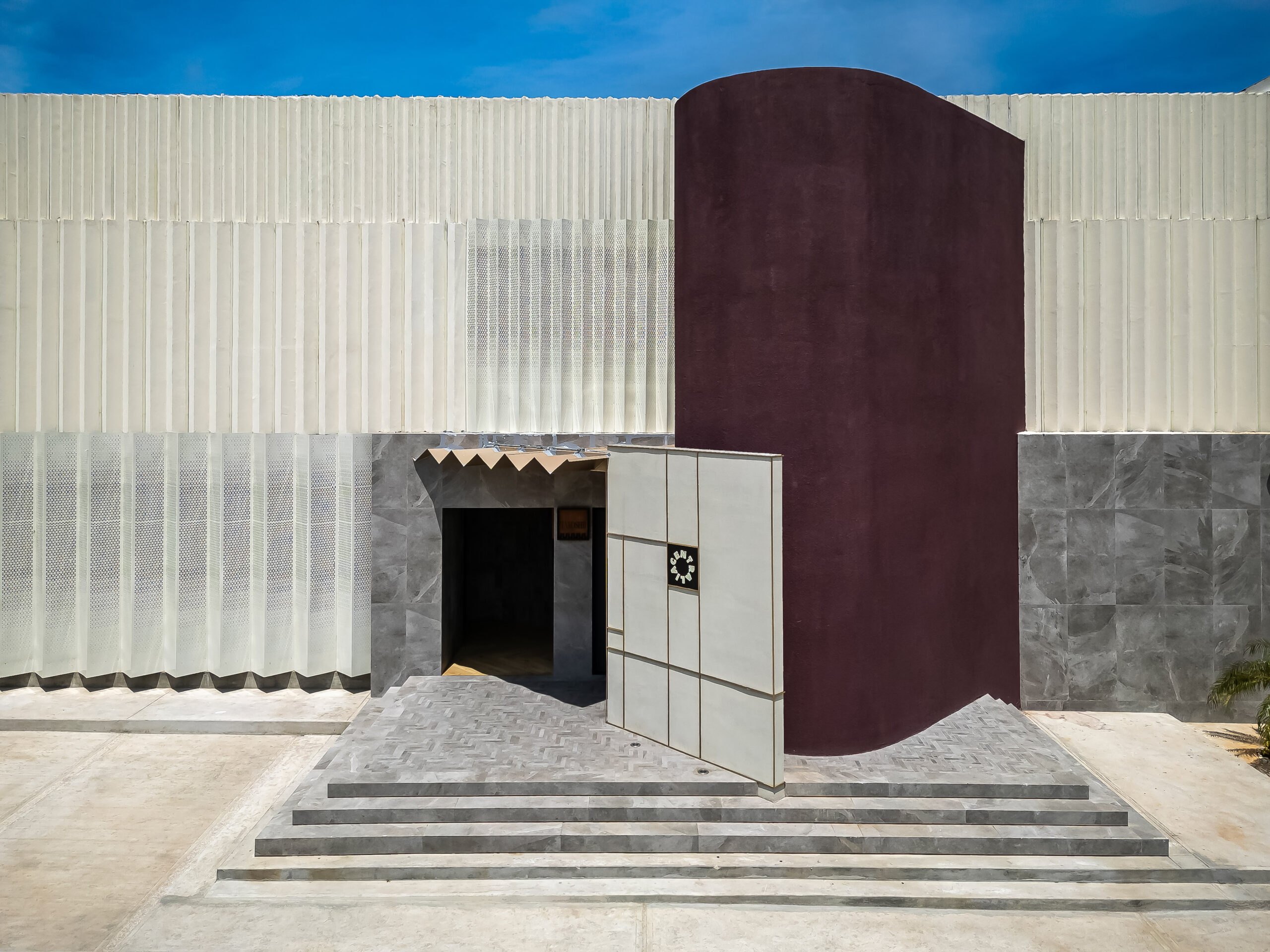
Identifying that tension prompts the defining question: What must this space feel like? How should it flow? What must remain and what must recede? The answer becomes the conceptual trigger and the synthesis that guides the entire project.
How the Organizing Idea Operates in Practice
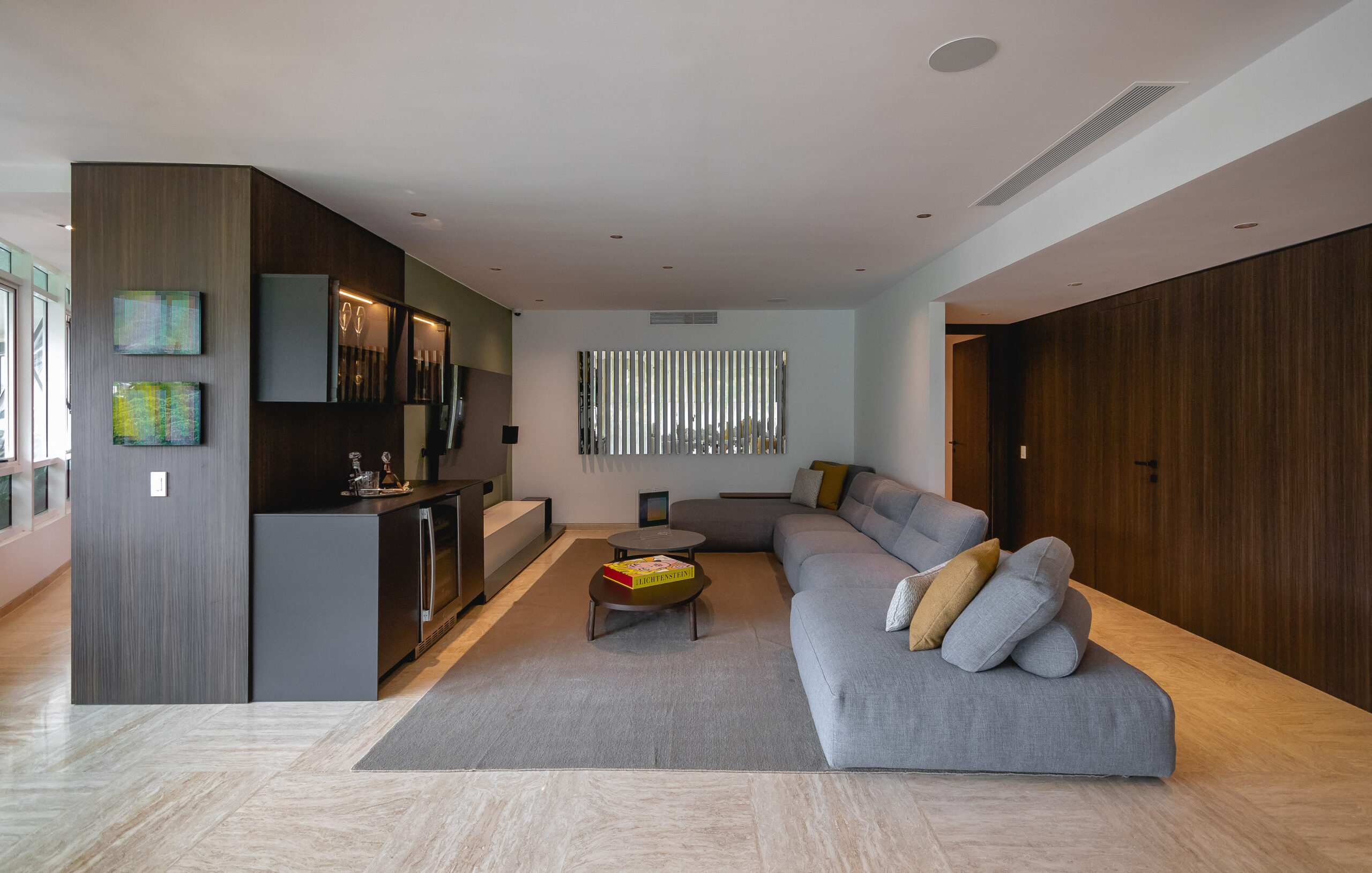
The 2DM Apartment exemplifies how a project can be fully structured by a single operational premise. The initial condition was a fragmented layout resulting from two combined units, producing narrow corridors and compartmentalized rooms. The client required spaciousness, continuity, and a sense of calm.

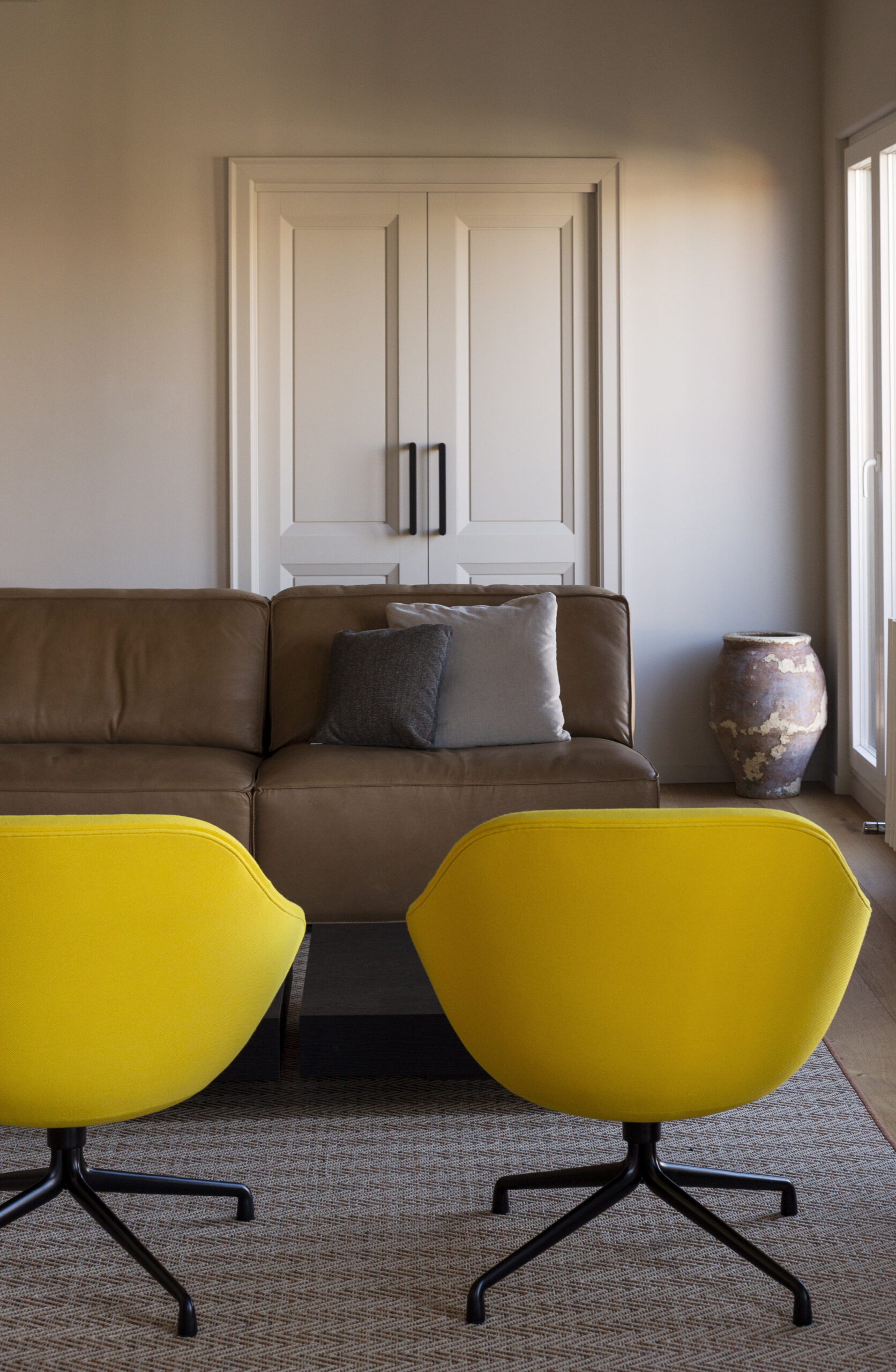
The defining question was clear: How can we create a fluid, flexible environment without compromising functionality? The operative synthesis emerged with equal clarity: integrate without overwhelming.
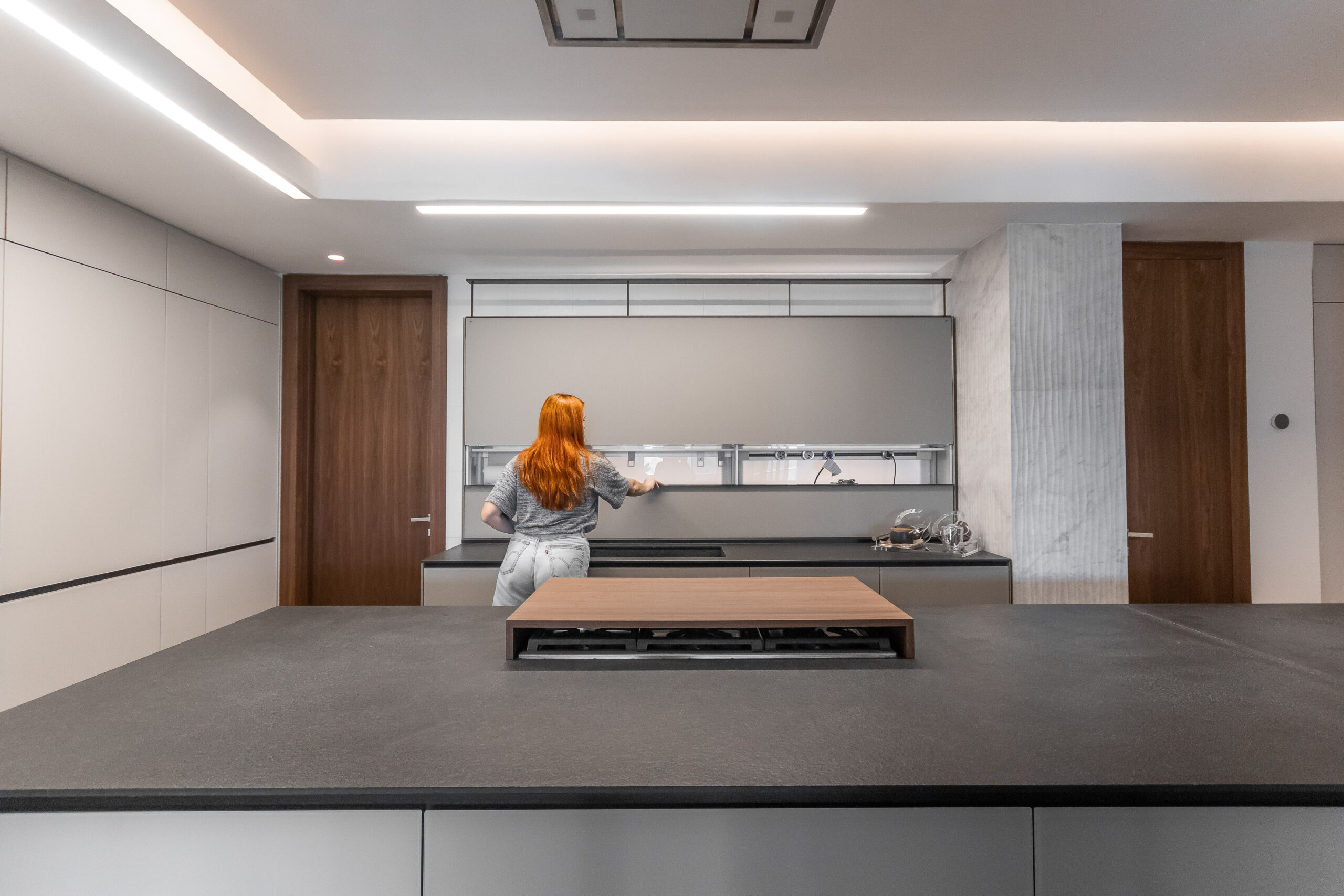
1. The kitchen acted as an architectural component that zones without enclosing.
2. The inverted-L sofa created dynamic flow without erecting barriers.
3. Existing metal columns were chromatically absorbed to minimize visual noise.
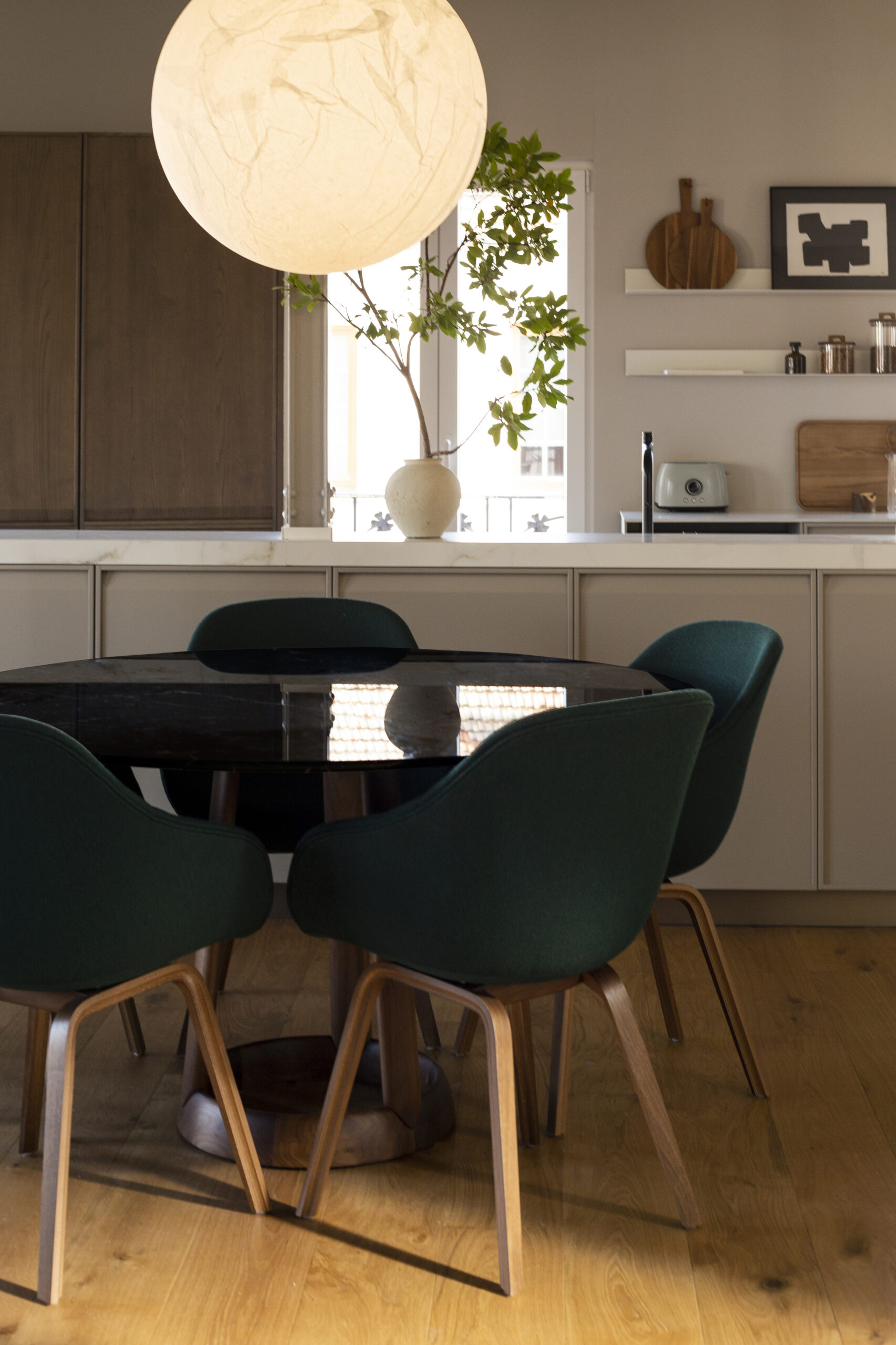
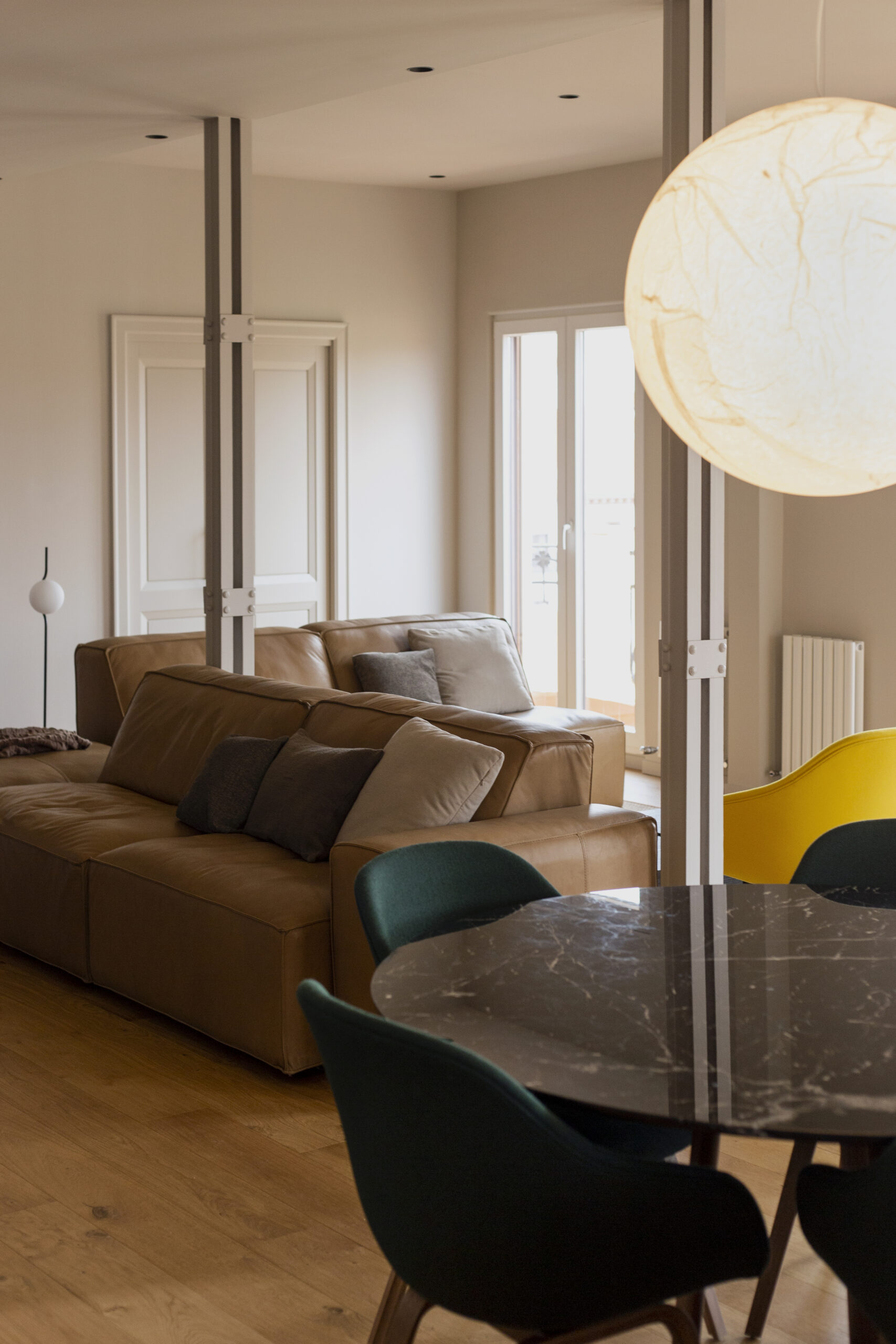
This project demonstrates that an organizing idea is a strategic mechanism that enables design cohesion across all layers—from interior massing to lighting and furniture systems.

Interior design is fundamentally an exercise in conceptual and operational clarity: understanding objectives, anticipating constraints, and preserving the anchor that guides the project when complexity arises.
Revealing this cognitive structure is not about romanticizing the process—it clarifies that the difference between a space that merely looks good and one that truly functions lies in the quality of early strategic decisions.
If you are developing a project and need a partner who contributes rigorous strategic thinking from the outset, let’s talk.

CASE STUDY: HOW A COMPREHENSIVE SPATIAL TRANSFORMATION IS EXECUTED
An analysis of the process behind delivering a comprehensive spatial transformation, exploring how diagnosis, design strategy, and project management translate an architectural vision from concept to execution.
WOMEN DESIGNING THE FUTURE: 5 CREATORS WHO REDEFINED INTERIOR DESIGN THROUGH MATTER AND FORM
On the occasion of International Women’s Day, we explore five designers who have shaped contemporary interior design through pieces developed for renowned European brands. A journey through their formal, technical, and cultural contributions to the evolution of global design.

2026 COLOR TRENDS: CHROMATIC PROPOSALS THAT WILL TRANSFORM SPACES
The 2026 color trends confirm that color has become a strategic tool within interior design. This article analyzes the proposals from the world’s leading paint brands and how to interpret them with intention to create spaces capable of delivering experiences that endure beyond trend cycles.